
No real quiet window
Early departures and overnight international flights mean cleaning happens around passengers, trolleys and queues.
Robotx supplies and deploys cleaning, wayfinding and transport robots for airport terminals across Australia and New Zealand. They work around continuous passenger flow in buildings that rarely close.
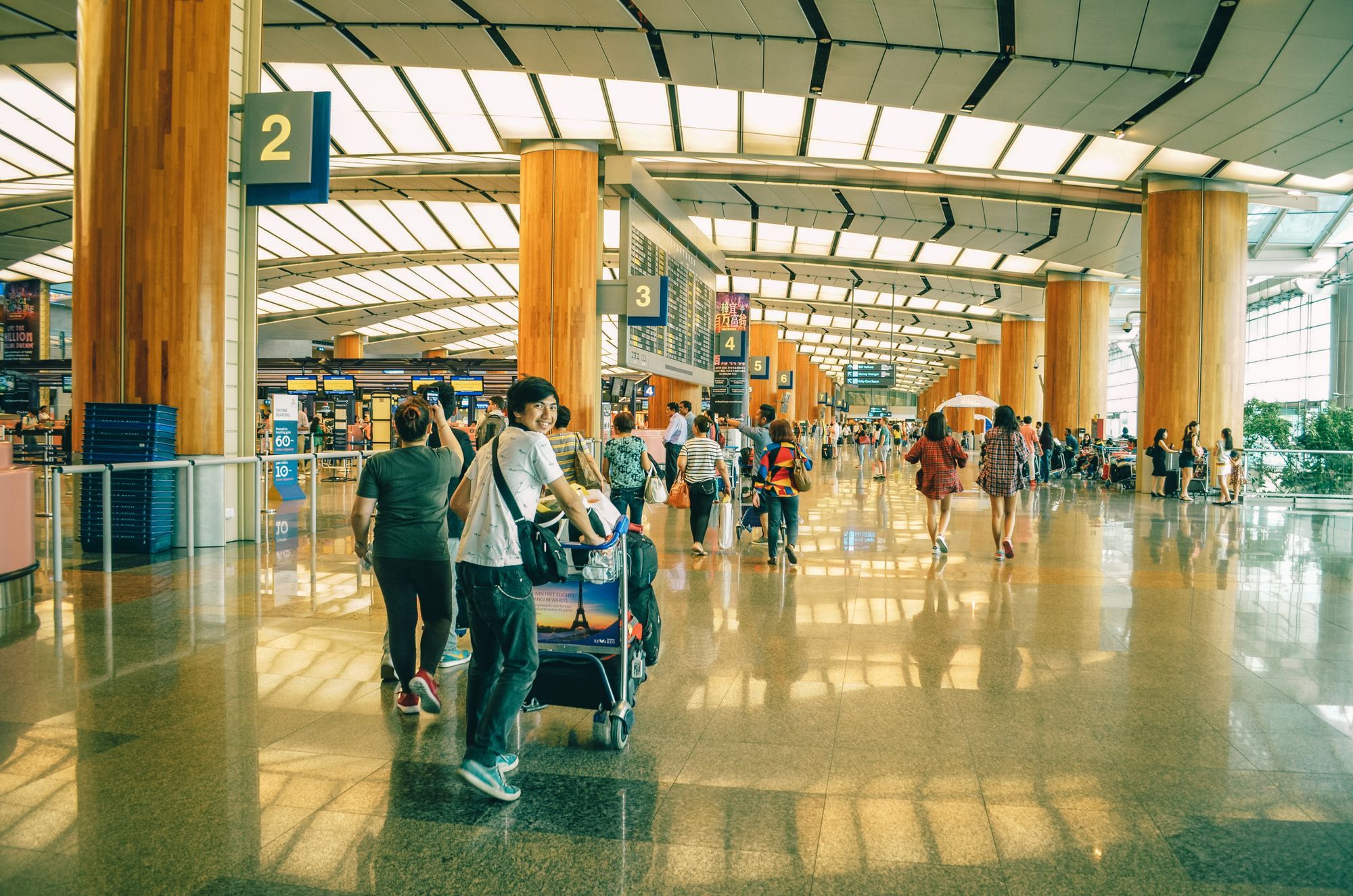
Early departures and overnight international flights mean cleaning happens around passengers, trolleys and queues.
Check-in halls, piers, gate lounges and baggage reclaim need a large cleaning workforce on every shift.
A gate change or international arrival sends hundreds of passengers to desks staffed for average demand.
Airside staff need identification and screening, so routine back-of-house tasks cost more than the same work landside.
Autonomous scrubbers clean check-in halls and gate lounges at low speed around passengers, while cleaners handle amenities.
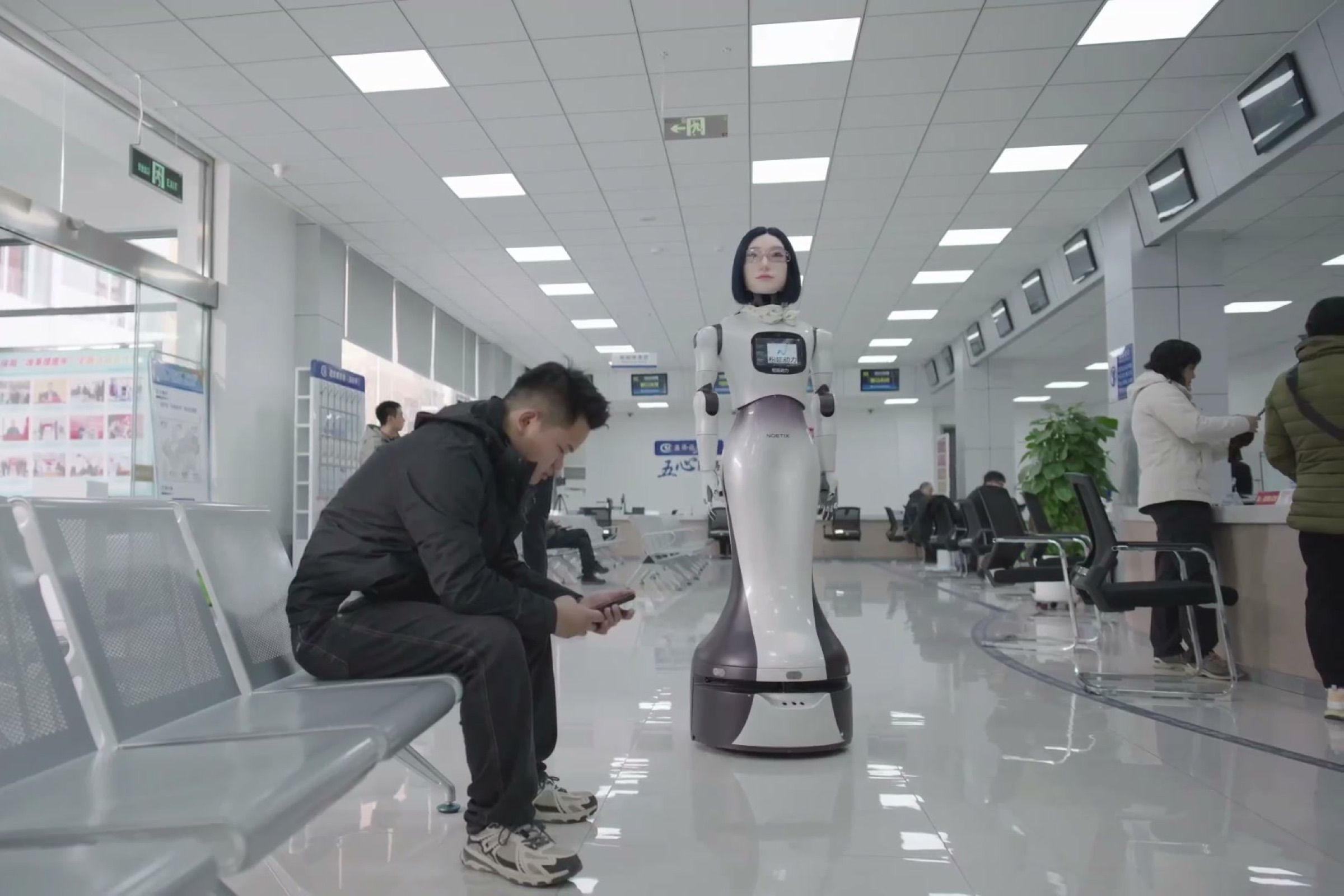
Autonomous CleaningRobots in arrival halls answer common questions and can lead passengers to gates, lounges or ground transport.
Reception & WayfindingRobots move lounge stock and waste along service corridors, so staff push fewer trolleys through public areas.
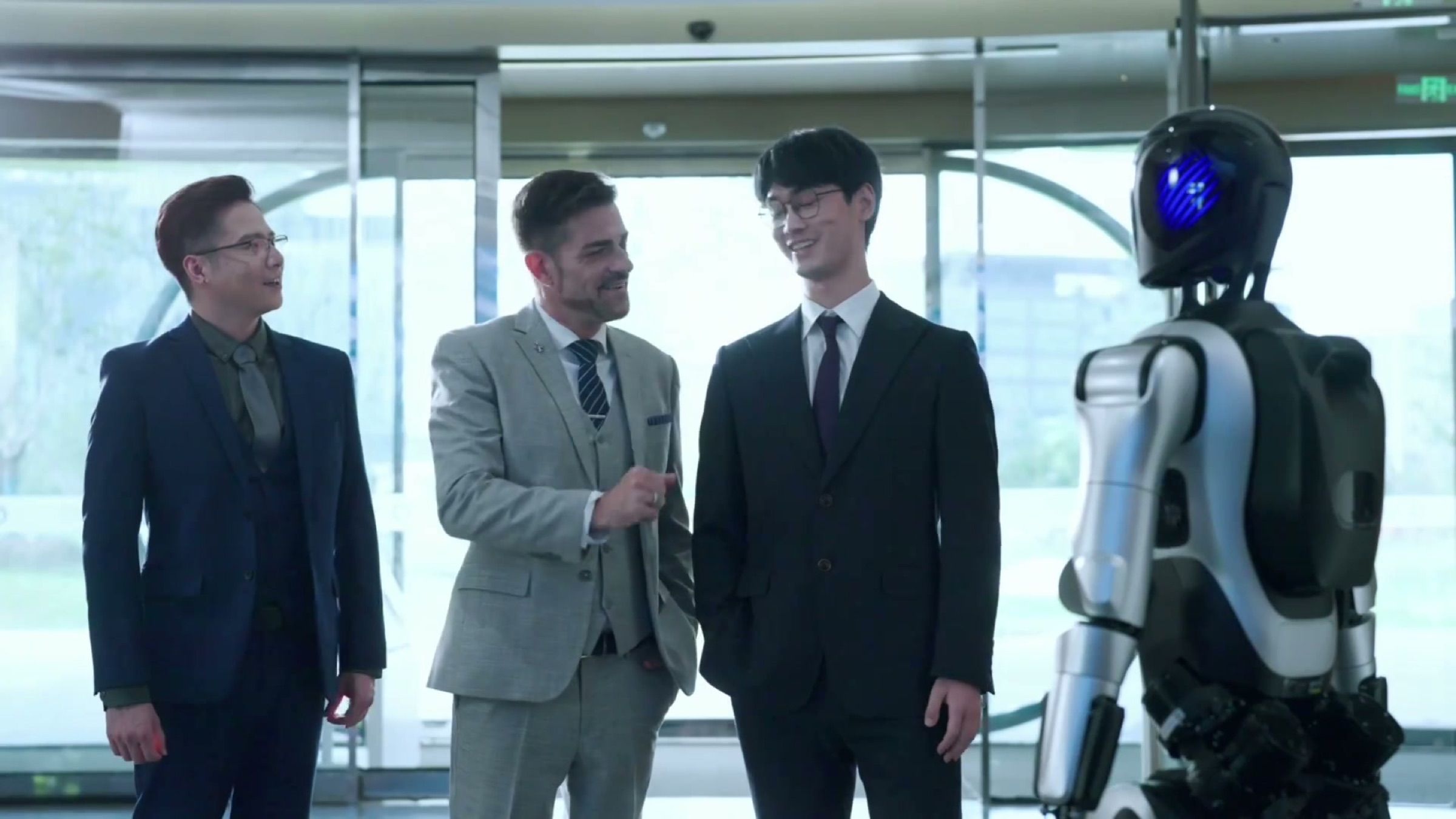
Autonomous Material TransportIn airline lounges, robots carry dishes and return used crockery during morning and evening departure peaks.
Service & Delivery Robotics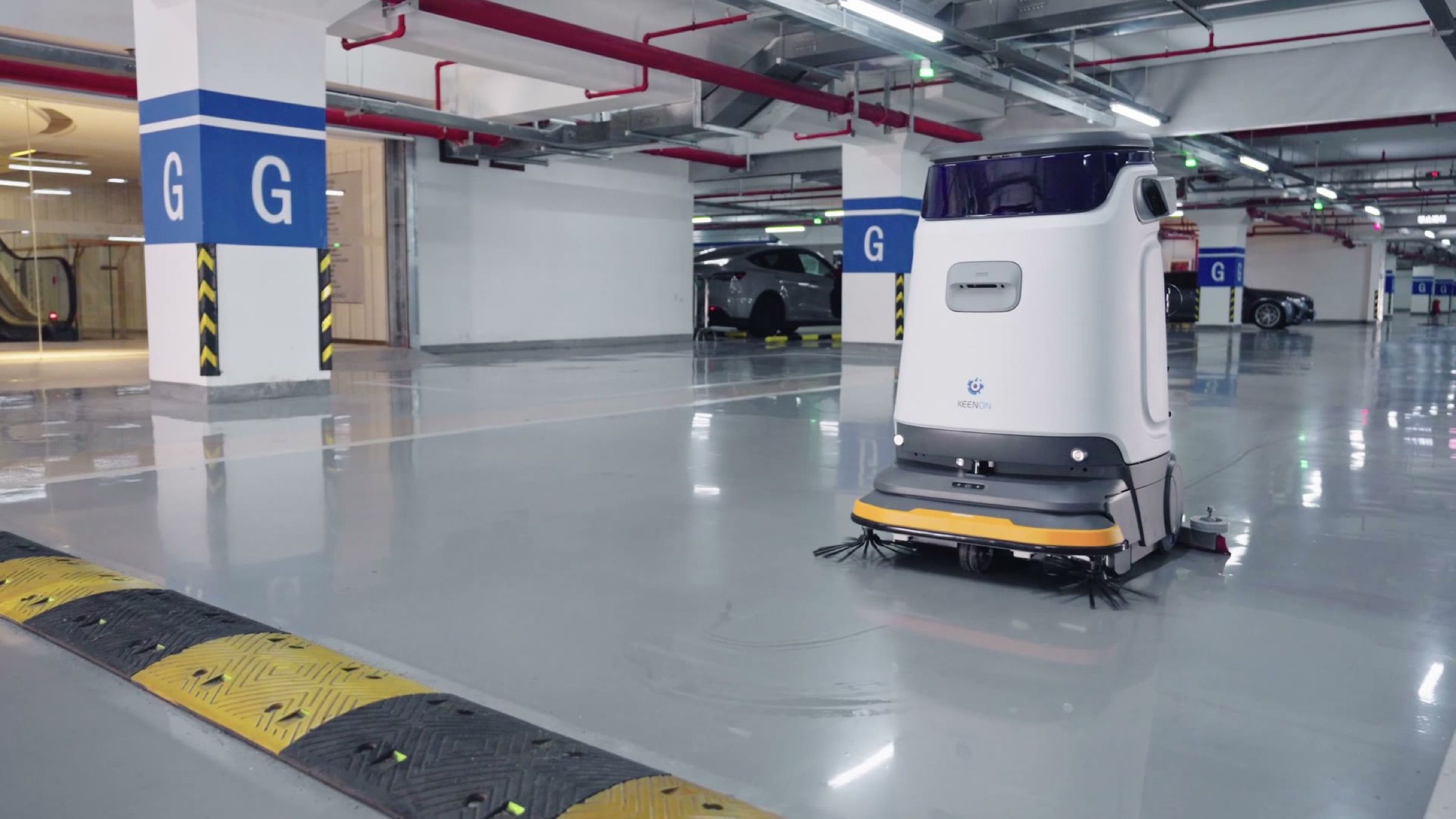
In most commercial buildings, heavy floor cleaning happens when the building is empty, which a terminal rarely is. Domestic departures start early, international arrivals land overnight, and even the quietest hour still has passengers sleeping at the gate and contractors working in the retail precinct.
Autonomous cleaning robots suit this pattern. They can make repeated, lighter passes through halls and piers during operating hours and switch to heavier scrubbing when a zone quietens. They move at walking pace or slower, stop for people and trolleys, and report the areas they have covered, which leaves cleaners free for amenities, spills, gate seating and the detail passengers notice.
Terminal floors are varied: terrazzo in check-in halls, carpet in gate lounges, tile around amenities, and transitions between them. Part of the site assessment is matching the right machine type to each area and planning where robots hand over to people.
Landside areas, such as check-in, arrivals and public car park links, are generally the simplest place to start. Airside and security-controlled areas take more work: equipment has to be screened and approved, the people who maintain it need the right identification or an escort, and charging and storage locations must sit within the right zone.
Our scope is inside terminal buildings; apron areas and baggage handling systems are outside it. We plan approvals early with the airport operator’s security and operations teams so they do not become the critical path.
Each engagement starts with a consultation and a site assessment across day and night operations. We then provide a written proposal covering equipment, approvals support, mapping, configuration and training for the cleaning, customer service or logistics teams who will run the robots. After handover, Robotx provides technical support, servicing and parts, with access for service visits arranged through the airport’s normal card or escort process.
Have a question about your site? Talk to a specialist.
Yes. Commercial cleaning robots are designed to work in occupied spaces at low speed, stopping and re-routing around people, bags and trolleys. In practice, airports schedule heavier machine cleaning for the quietest periods and use robots for lighter, repeated passes during the day. Spills, amenities and tight gate seating still suit cleaners. We map passenger flow during the site assessment to set practical schedules.
They can, with more planning. Equipment entering security-controlled areas has to go through the airport's screening and approval processes. In Australia, anyone maintaining it needs an Aviation Security Identification Card (ASIC) or must be escorted by a cardholder on a visitor identification card. New Zealand airports have their own airside identity card and escort rules. We engage the airport operator's security team early so approvals, charging locations and maintenance access are settled before a robot arrives on site.
No. Wayfinding robots handle the simple questions that come up again and again, like where gate 12 is, where the toilets are or how to reach the train. Information staff can then spend their time on passengers with missed connections, lost items or accessibility needs. Robots work best at predictable decision points such as arrival halls, transfer corridors and pier entrances.
Either can, and the right answer depends on the cleaning contract. Some airport operators buy robots and make them available to their contractor; in other cases the contractor buys them as part of service delivery. We can work with both parties to set out ownership, daily operation, training and servicing responsibilities so they are clear in the contract and survive a re-tender.
Usually longer than other commercial sites, mainly because security approvals and access take time. The process runs through consultation, site assessment, a written proposal, security and operational approvals, mapping during low-traffic windows, configuration and staff training. The proposal sets out each stage and its dependencies so your project team can plan around them.
A Robotx consultation starts with your sites, tasks and constraints. We’ll tell you where robotics fits and where it doesn’t, and what a sensible first deployment would look like.