
Staff stay on the floor
The robot handles pass-to-table and tray-return runs while staff take orders and serve.
Robotx supplies, deploys and supports service and delivery robots for restaurants, clubs, hotels, hospitals and aged care across Australia and New Zealand. Robots carry trays so staff stay with guests.
Autonomous robots that carry food, trays, linen and supplies between kitchens, floors, rooms and wards.
The robot handles pass-to-table and tray-return runs while staff take orders and serve.
During a Friday dinner rush, the robot keeps making the same runs at the same pace.
Where lifts support it, robots ride them to deliver room service and ward supplies across levels.
Robots move loaded trays, dirty dishes and supply tubs, helping you manage manual handling risk.
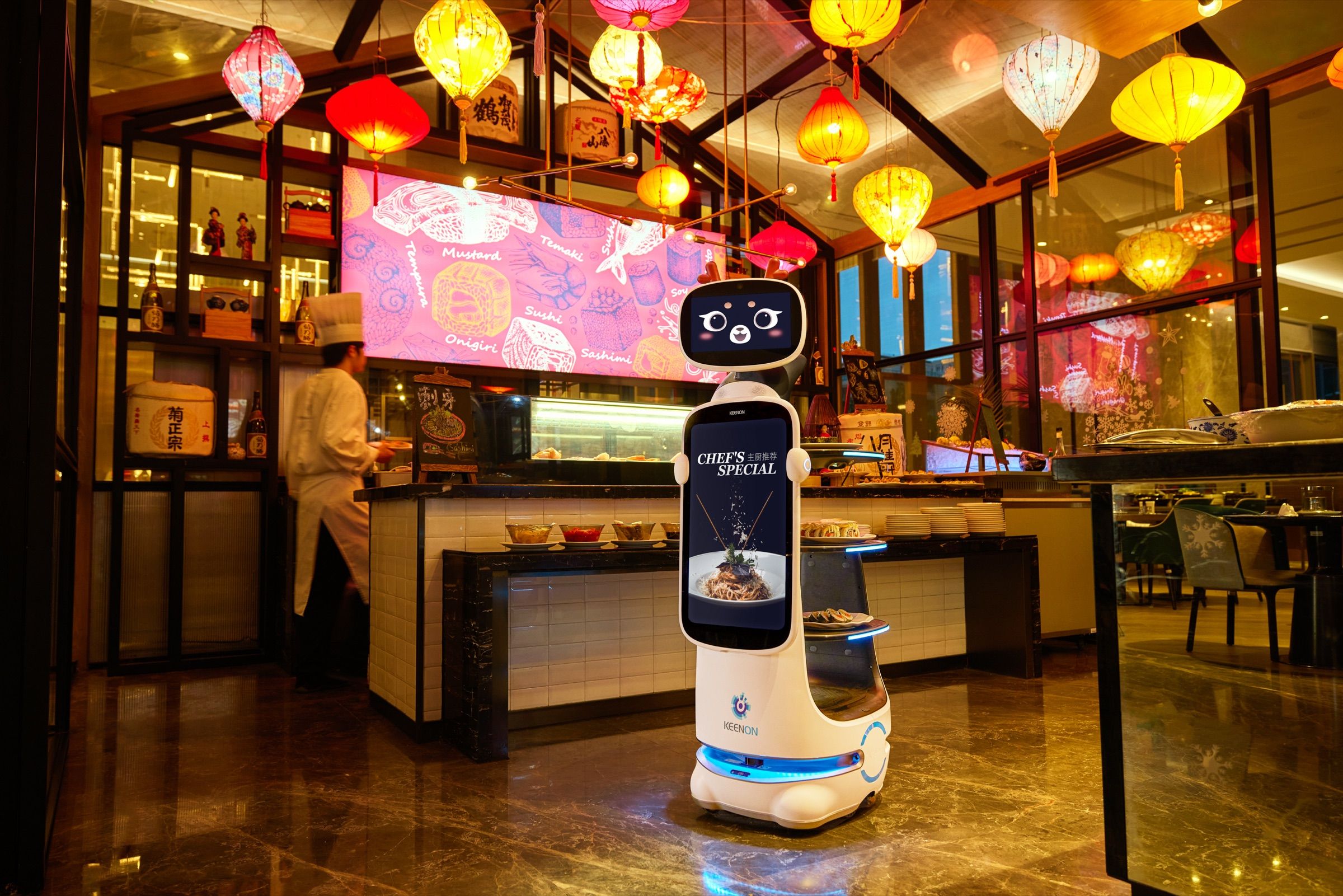
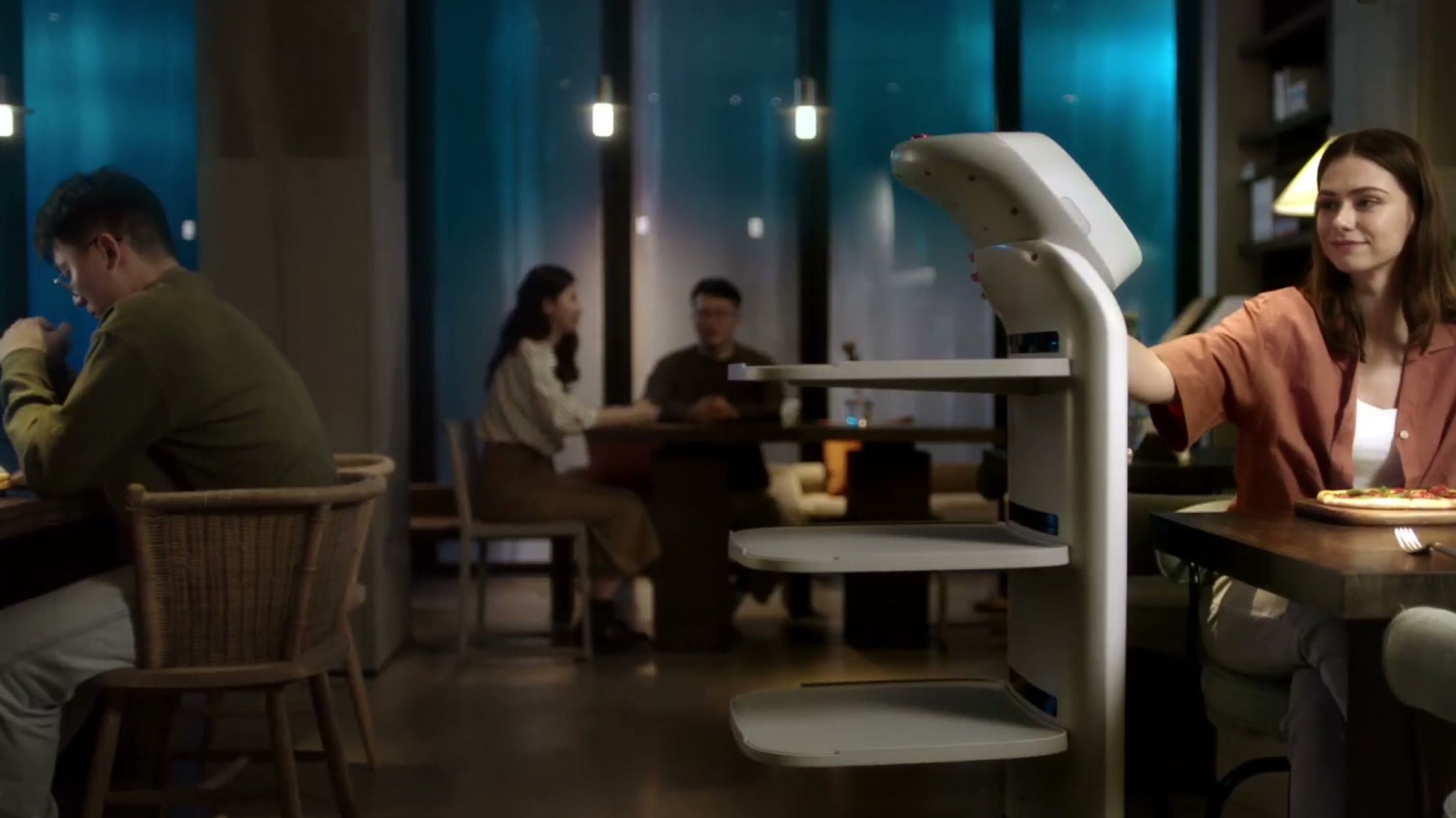
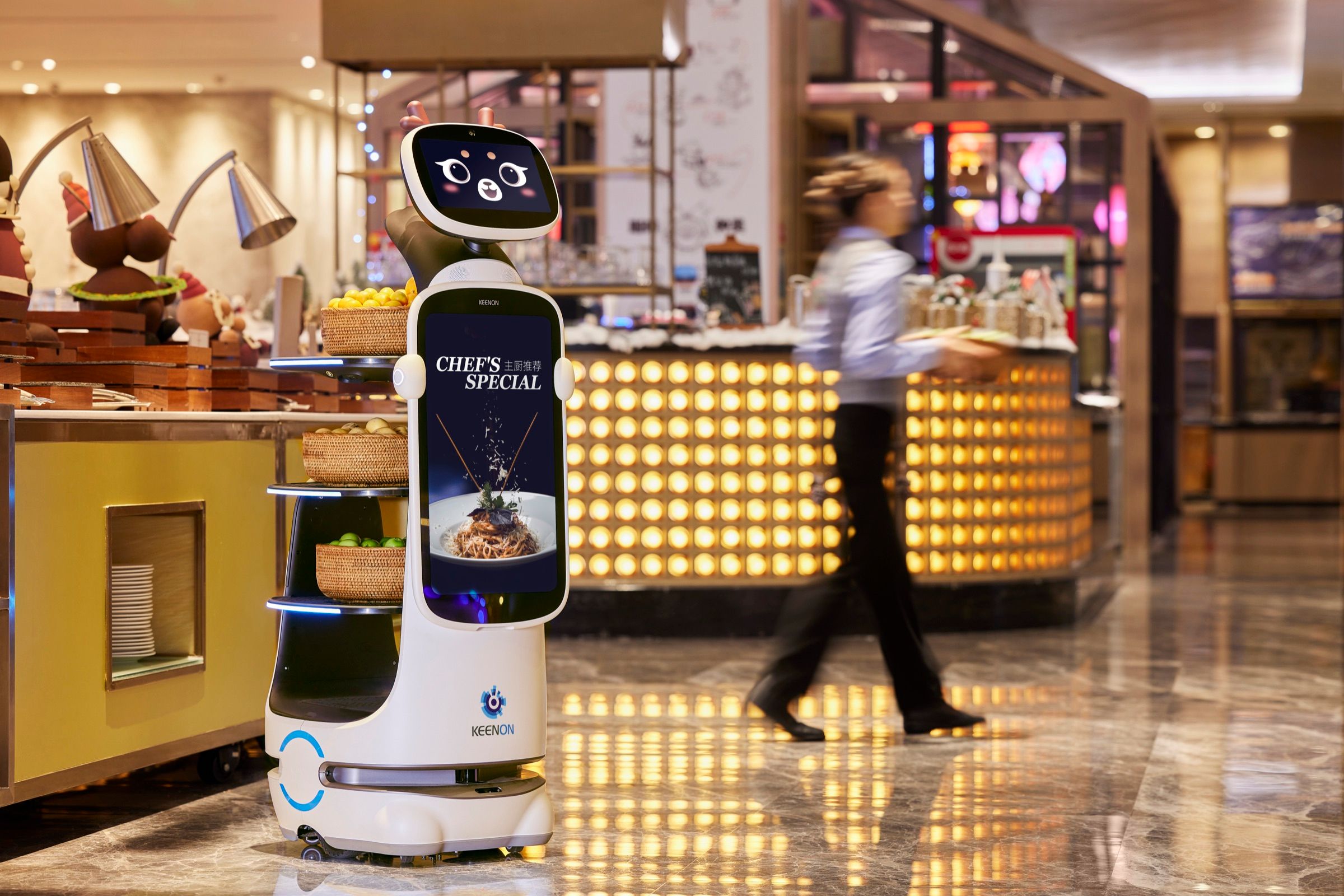

Delivery robots move items between known points on a mapped floor. In a restaurant or club, those items are plated meals going from the pass to the table and dirty plates coming back to the kitchen. Hotels use them for room service, towels and amenities from the back of house to guest room doors, while hospitals and aged care facilities send meal trays, linen, specimens in sealed containers and ward supplies between departments.
The strongest candidates are sites with long walking distances, several levels, or repetitive runs that happen dozens of times a shift. A venue where the kitchen sits far from the dining room, or a facility where staff spend part of every shift walking to and from a lift lobby, usually has a clear case.
Delivery robots are less suited to spaces with steps and no ramp or lift, very tight furniture layouts, or tasks that need judgement at the point of delivery. We look at these constraints early so you are not buying a robot for a floor it cannot work on.
Every project starts with a consultation and a site assessment. We walk the routes the robot would take, note floor surfaces, thresholds, ramps and door types, and look at where charging docks can sit without getting in the way. For multi-storey sites we check the lifts, including whether they can take a robot interface and who needs to approve it.
We also talk to the people who will use the robot: which runs cause the most walking, when the peaks are, and who loads and unloads the trays. Their answers shape how many robots you need, which platform suits the work, and how the robots are set up on the day.
Once you approve the proposal, Robotx maps the site, configures delivery points and routes, sets up lift or door integration where the platform supports it, and trains your staff. Training covers daily use, charging, cleaning the robot and what to do when something unexpected happens. After handover we provide ongoing technical support, servicing, parts and warranty administration, so you have one point of contact in Australia or New Zealand when you need help.
Have a question about your site? Talk to a specialist.
A delivery robot carries plated food from the pass to tables and brings dirty plates back to the kitchen or tray return. Staff load the trays, choose a table on the screen and the robot drives there on its own. It suits venues with large floors, long runs from the kitchen or split levels, where walking time eats into service time.
Yes, many commercial delivery robots can call and ride lifts through an interface that places the same calls a passenger would, either a small module connected to the lift or the lift manufacturer's own robot connection. The building owner needs to agree, and your lift maintenance contractor should approve and usually install the interface. We check lift compatibility during the site assessment before recommending this option.
Pricing depends on the platform, the number of robots, whether lift integration is needed and the support arrangement you choose. Robotx sells robots outright. After a consultation and site assessment we provide a written proposal priced on your floor plan, service volumes and building systems.
It depends on the size of the site and whether lifts or doors need to be integrated. A single-level venue is usually simpler than a multi-storey hotel or hospital. After the site assessment we give you a written plan covering mapping, configuration, integration, staff training and handover, with realistic timing for each step.
No. Delivery robots do the carrying. People still take orders, talk to guests, check on residents and handle anything unusual. Most operators use robots to take pressure off a stretched team and keep service consistent during peaks, and they keep the same roles on the floor.
A Robotx consultation starts with your sites, tasks and constraints. We’ll tell you where robotics fits and where it doesn’t, and what a sensible first deployment would look like.