
A grounded view of what works today
A scoped pilot shows how a humanoid handles your task, in your building, alongside your staff.
Robotx supplies bipedal and wheeled humanoid robots in Australia and New Zealand. Humanoids are at an early commercial stage, so we start with a scoped pilot on a real task.
Bipedal and wheeled humanoid platforms for carefully scoped pilots in handling, sorting, reception and research.
A scoped pilot shows how a humanoid handles your task, in your building, alongside your staff.
Humanoids work at benches, shelves and doorways built for people, starting with repeatable tasks like sorting.
A pilot builds embodied AI know-how in your operations, engineering and safety teams as platforms mature.
Some organisations use humanoids for reception, education or innovation programs, where engagement matters more than throughput.
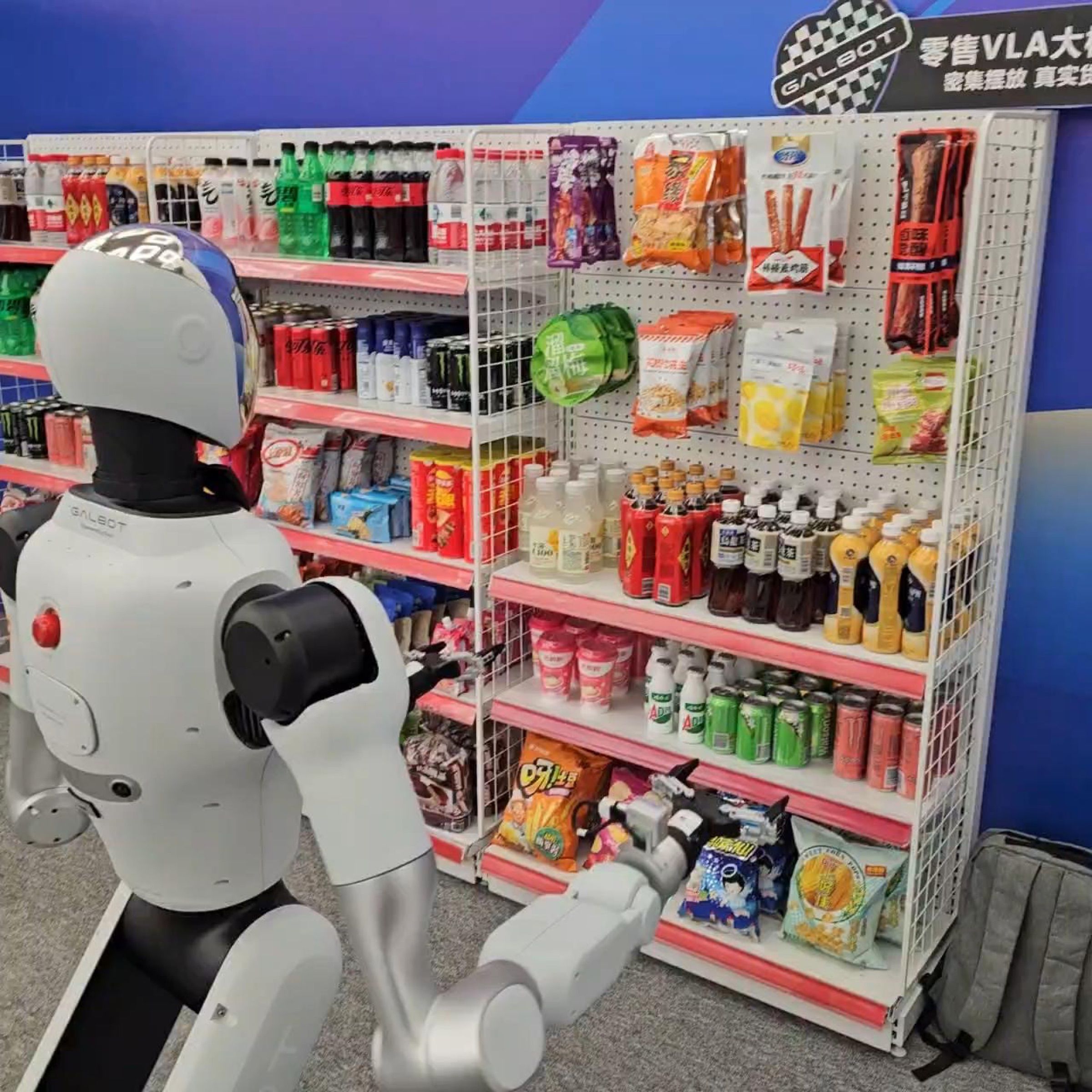
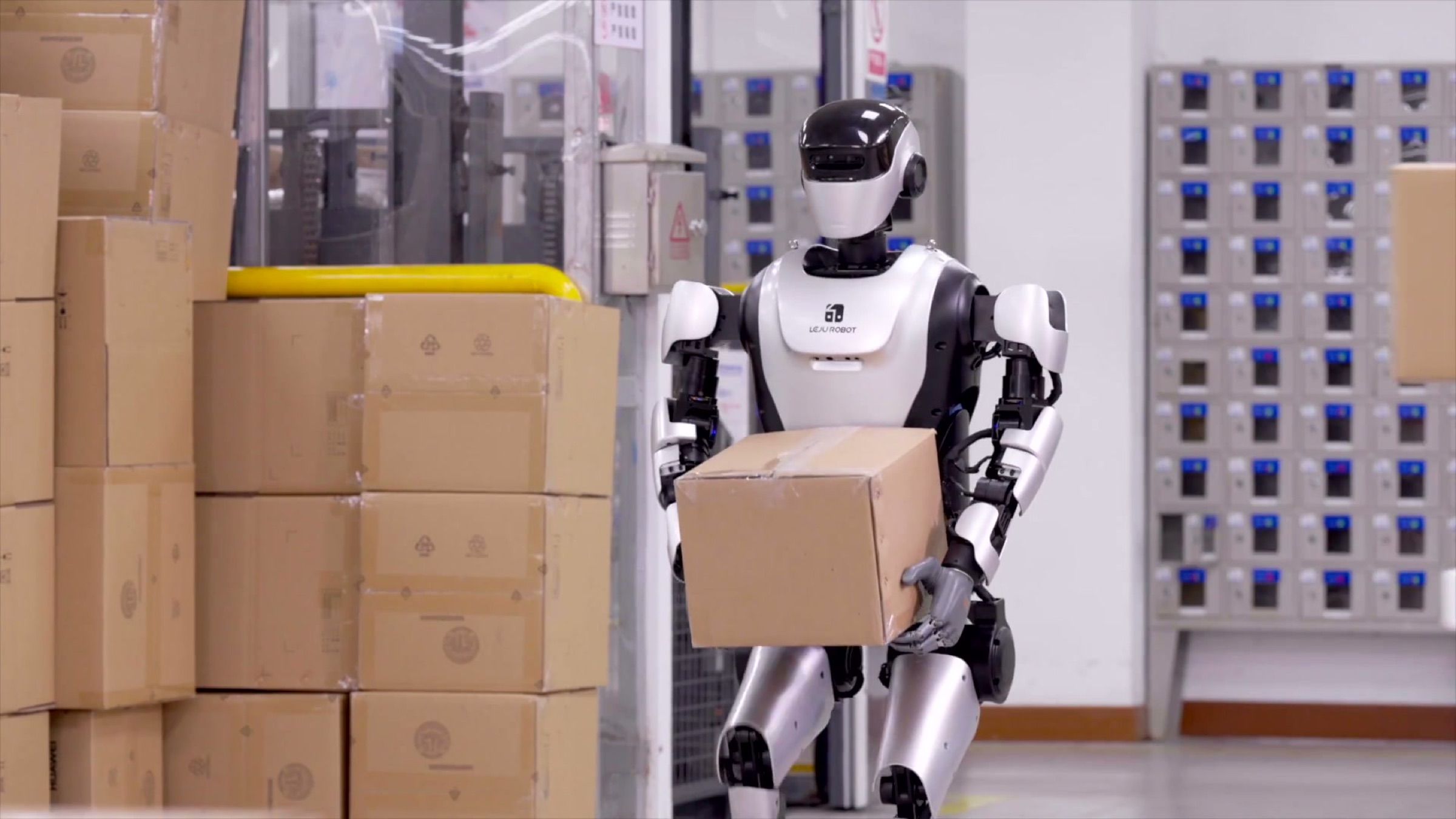
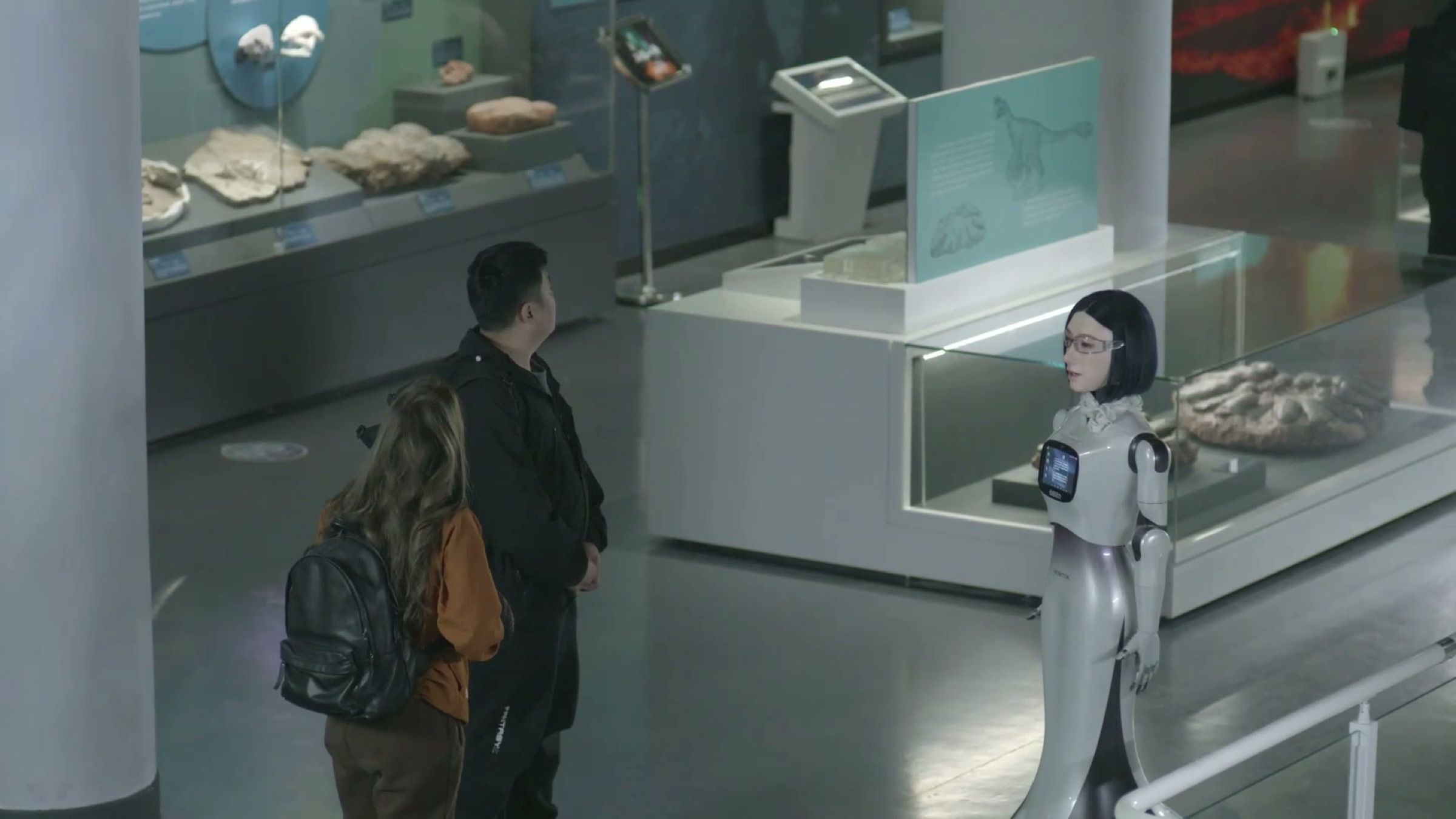
Humanoid and embodied-AI robots have moved quickly from research labs into early commercial use, and several manufacturers now sell platforms to businesses. The platforms still have limits, and most enterprise use today is in pilots: a single robot or a small group working on a structured task, in a defined area, with people supervising.
Humanoids are designed for spaces built around people, so in principle they can use existing benches, shelves and containers without redesigning a site. In practice, speed, dexterity and reliability vary between platforms and tasks, and a robot that performs well in one setting may need significant work to perform in another. We will tell you if a platform cannot yet fill the role you have in mind.
We start by agreeing a specific task, such as moving totes from one station to another, sorting items into bins, or greeting visitors in a lobby. We then define what success looks like, what the robot will and will not do, and how you will measure it.
During the site assessment we look at the space, floor surfaces, lighting, the objects involved, where people will be, and how the robot will be supervised. Safety is part of the scope from the start, including risk assessment, work zones and operator training in line with your WHS obligations.
Robotx works with several humanoid manufacturers, including bipedal and wheeled designs. The right platform depends on the task, the environment and whether you need a finished application or a platform for your own development team. After the pilot is scoped, we recommend a platform, supply it, support setup and training where the platform supports it, and provide ongoing technical support, parts and warranty administration in Australia and New Zealand.
Have a question about your site? Talk to a specialist.
Humanoid robots are in early commercial use, and most enterprise deployments today are pilots in structured, repeatable tasks rather than full production roles. They can move items, sort objects and greet visitors in controlled settings, but speed, reliability and range of tasks are still developing. A carefully scoped pilot is the sensible way to find out what they can do on your site.
The most realistic early tasks are structured and repeatable: moving totes or parts between stations, simple picking and placing, sorting items and loading or unloading at a fixed point. Tasks with lots of variation, fine judgement or tight time pressure are harder. We help you pick a task where success can be measured clearly.
A bipedal humanoid walks on two legs, which lets it handle steps and uneven ground but adds complexity. A wheeled humanoid has a human-like upper body on a wheeled base, which is usually more stable and practical on flat commercial floors. For many indoor handling tasks a wheeled platform is the more pragmatic choice.
Start with a consultation to agree the task, the environment and what success looks like. We then assess the site, including space, safety zones and supervision, and recommend a platform. The pilot plan sets out the scope, training, safety controls and review points, so your decision on next steps rests on what the pilot showed.
Pricing varies widely between platforms and depends on the configuration, hands or grippers, software and support you need. Robotx sells robots outright. After a consultation and site assessment we provide a written proposal, with the cost tied to a defined task and pilot scope.
Humanoids can operate near people, but they are heavy, moving machines, and safe use depends on the task, speed, separation and supervision. Your pilot should include a risk assessment under your WHS obligations, defined work zones and trained operators. We build these controls into the scope before anything runs on site.
A Robotx consultation starts with your sites, tasks and constraints. We’ll tell you where robotics fits and where it doesn’t, and what a sensible first deployment would look like.