
Care time lost to carrying and fetching
Each trip to carry meals or fetch continence aids takes a carer away from a resident.
Robotx supplies and deploys robots for residential aged care across Australia and New Zealand. Robots carry meals and supplies and clean floors, so care staff spend more time with residents.
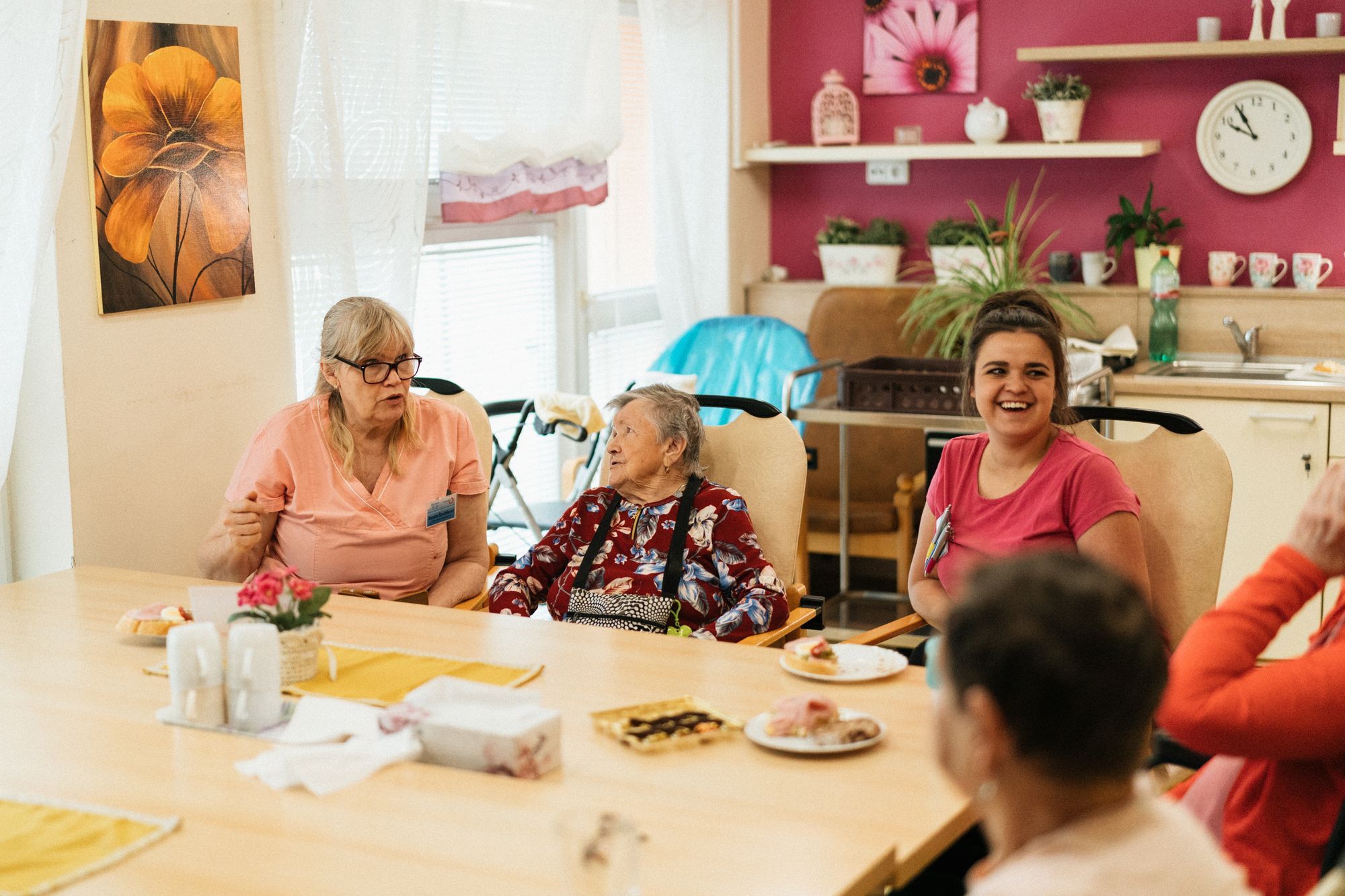
Each trip to carry meals or fetch continence aids takes a carer away from a resident.
Care workers and nurses are hard to recruit, especially for regional homes, and agency staff fill gaps.
Australia's Aged Care Act 2024 strengthens quality standards, so providers are reviewing how staff time is spent.
Plating, delivery and clearing must fit a short window while many residents need help to eat.
Robots carry meals to dining rooms and bring trays back, so staff stay seated with residents.
Service & Delivery RoboticsRobots take continence aids, linen and stores to each wing, so carers make fewer trips mid-shift.
Autonomous Material TransportAutonomous cleaners scrub corridors and lounges around resident routines, using quieter modes during rest periods where supported.
Autonomous CleaningInteractive robots lead simple music, trivia or movement sessions with a staff member in the room.
Reception & WayfindingA reception robot reminds visitors to sign in and points them to the right wing after hours.
Reception & Wayfinding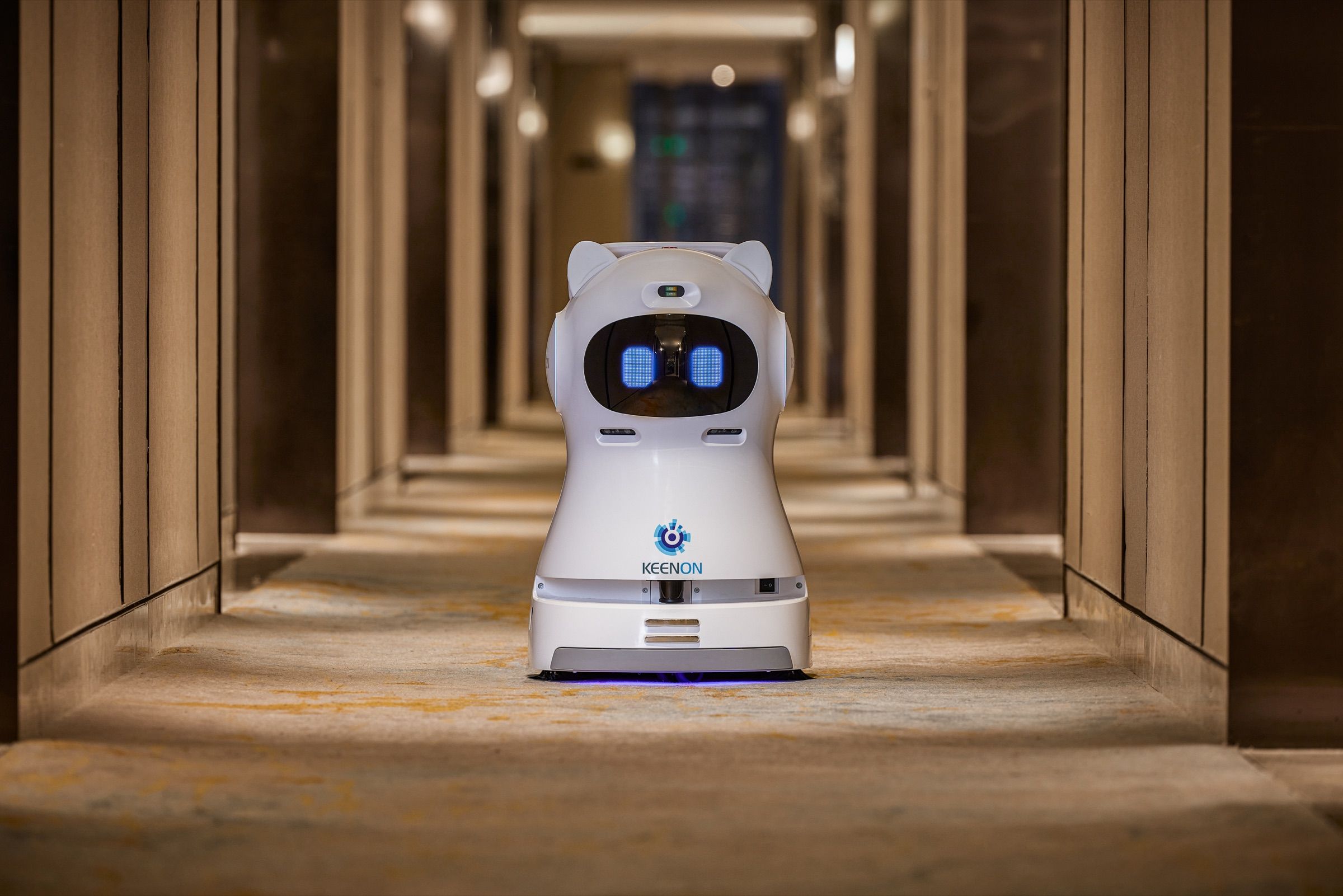
In most aged care homes, care workers spend a surprising share of each shift walking. Meals go from the kitchen to the dining room and to residents eating in their rooms, trays come back, and continence aids, linen and stores have to be fetched from a storeroom at the other end of the building. None of this needs a care worker’s training, yet it often falls to them because nobody else is on the floor.
Robots suit these trips. While staff stay in the dining room helping residents eat, a delivery robot can take plated meals to a wing pantry. Supplies can go to each wing on a schedule by transport robot, and an autonomous cleaner can do the corridors and lounges at times that fit residents’ routines. Each trip saves only a little, but across a day the time adds up, and it goes back to residents.
An aged care home is someone’s home, and robots have to be introduced with that in mind. They should not wander into bedrooms, film residents or turn a meal into a production line. For a resident living with dementia, a moving machine can be engaging at one moment and distressing at the next.
We plan the introduction with your clinical, lifestyle and hotel services teams. Usually that means starting in common areas, keeping speeds low and sounds gentle, and taking care around secure memory support units. Staff should have clear authority to take a robot out of an area if a resident is unsettled. Families often have questions too, so it helps to brief them before the robot appears.
Australia’s Aged Care Act 2024 commenced on 1 November 2025 with a rights-based approach and strengthened quality standards. Robotics won’t meet any of those obligations by itself, though it can take routine work off care staff so more of their time goes to residents. Every engagement starts with a consultation and site assessment, followed by a written proposal. Robotx supplies, deploys, trains and supports; your staff remain responsible for care.
Have a question about your site? Talk to a specialist.
No. Robots take on carrying, fetching and floor cleaning. Personal care, clinical care, help with eating and emotional support stay with people. In practice the robots remove corridor trips that do not need a care worker's skills, which gives some time in each shift back to residents, particularly at meals.
It varies. Some residents are curious and enjoy the robot, some ignore it, and some may be unsettled, so we plan the introduction with your clinical and lifestyle teams. That usually means starting in common areas with low speeds and gentle sounds, waiting on secure units until staff are comfortable, and watching how individual residents respond before extending.
Not on their own. The Aged Care Act 2024, which commenced on 1 November 2025, centres on residents' rights and quality care. Robots can take routine tasks off care staff so more of their time goes to residents. How that shows up in care planning and reporting is a matter for your own governance team.
They can be, when they support your lifestyle program and staff stay involved. Interactive robots can lead simple group sessions and prompt conversation. We suggest starting with group activities while a staff member is present, leaving alone residents who are not interested, and reviewing the approach with residents, families and staff.
It depends on the size of the home, how many wings and floors it has, which tasks you want to automate and whether lifts or doors need integrating. Equipment is purchased outright. After a consultation and a walk-through of the home, we set out equipment, deployment, staff training and ongoing support in a written proposal for your board or executive to consider.
Yes. Robotx supplies and supports aged care providers in both Australia and New Zealand. New Zealand homes have their own standards, funding and contracting arrangements, so we scope against the requirements that apply to your site and work with your clinical and facilities leads on local policies.
A Robotx consultation starts with your sites, tasks and constraints. We’ll tell you where robotics fits and where it doesn’t, and what a sensible first deployment would look like.