

Bipedal humanoids for research and education
N2 and E1 walking humanoids include developer kits and SDKs for programming movement and behaviour.
Partner
Robotx supplies Noetix compact bipedal humanoids for research and education, and wheeled bionic robots for reception, in Australia and New Zealand. We deploy and support each platform.
Maker of compact bipedal humanoids and bionic reception robots.
N2 and E1 walking humanoids include developer kits and SDKs for programming movement and behaviour.
W1 combines a wheeled base, lifelike head and voice interaction for front desks and tours.
W1 and Xiaonuo offer a custom appearance, voice and knowledge base for lobbies or galleries.
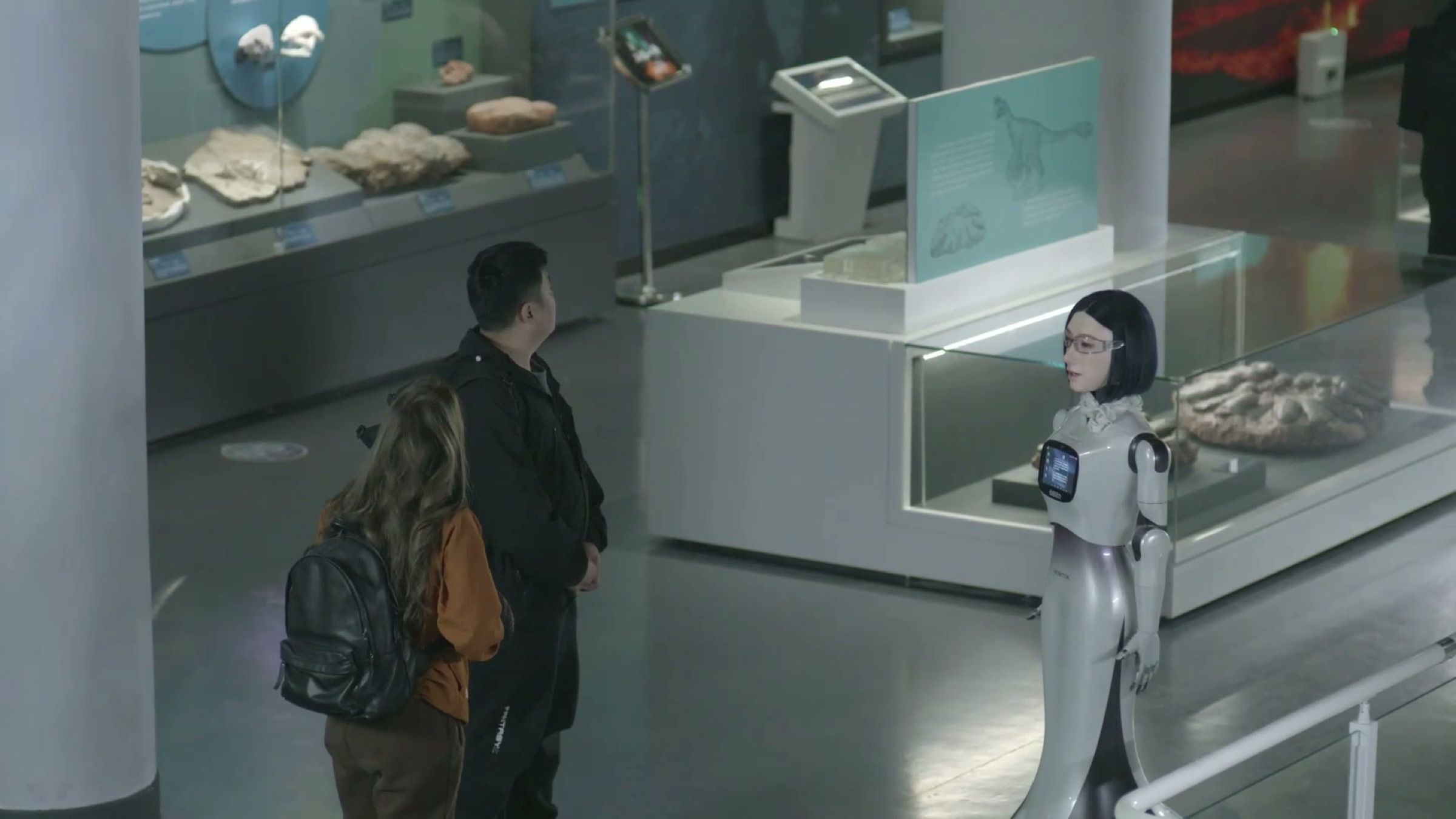
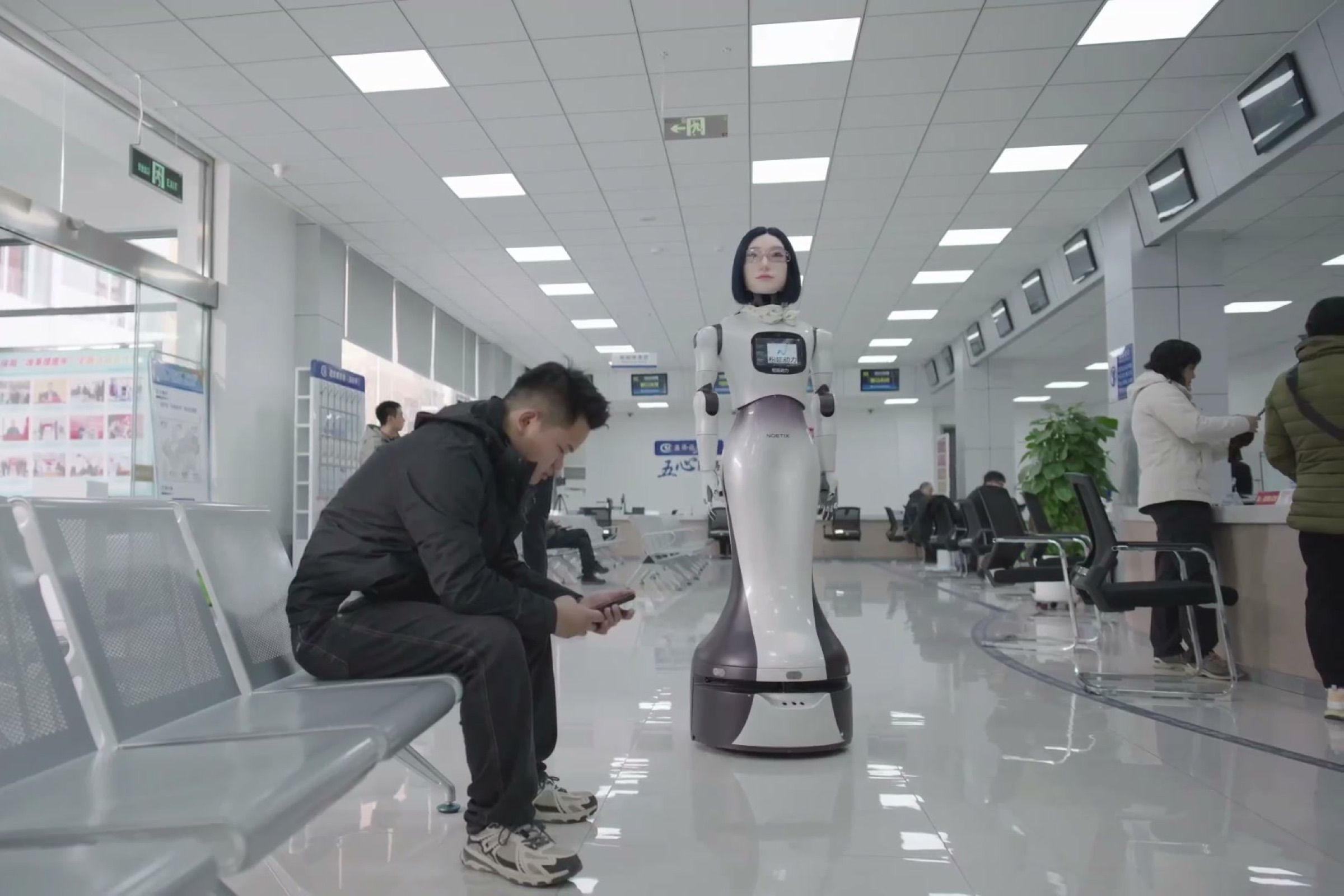

Noetix Robotics was established in September 2023 by a team with a background in university robotics research. It focuses on humanoid robots and embodied AI, and develops its own motion control software alongside the hardware.
Noetix is best known for the N2, a compact bipedal humanoid that finished second in a humanoid robot half marathon in April 2025. Its current range covers several families:
Robotx focuses on the commercial and institutional end of the range.
The clearest fits are places where engaging people is the job. University engineering and AI labs can use the N2 or E1 as a development platform, and in science centres, galleries and innovation spaces a walking humanoid draws interest and helps explain technology to visitors. The W1 suits corporate lobbies, hotel foyers, airport terminals and shopping centre concourses, where it greets visitors and handles routine directions.
Small bipedal humanoids are not a substitute for warehouse or factory automation, and lifelike reception robots still need well-prepared content to answer questions accurately. During scoping we look at floor surfaces, crowd levels, network coverage, background noise and where staff will step in, and we factor these into your WHS risk assessment.
Every engagement starts with a consultation and site assessment, followed by a written proposal with our recommendation and scope. If you proceed, Robotx supplies the platform, configures it for your site, sets up content and integrations where the platform supports it, and trains your staff. After handover we provide technical support, servicing, parts and warranty administration. Your team operates the robot day to day; Robotx supports it.
Have a question about your site? Talk to a specialist.
Robotx supplies Noetix Robotics platforms to enterprise and commercial customers in Australia and New Zealand. We begin with a consultation and site assessment, recommend the platform that fits the task, then handle supply, deployment, staff training and ongoing technical support. We work with several robotics manufacturers, so if another platform suits your site better, we will say so.
Not in the way a production or logistics robot does. Noetix's compact bipedal humanoids are best suited to research, education, performance and visitor engagement, where movement and interaction are the point. Humanoid robotics is still an early-stage category, so we scope any deployment around one clearly defined purpose and measure the result before expanding.
That is the role Noetix designed it for, with indoor navigation, obstacle avoidance and voice interaction on a wheeled base. Before recommending it, we check English voice performance in your actual lobby noise, floor surfaces, network coverage and the questions visitors ask most. We also consider how your visitors may respond to a highly lifelike face.
Yes, for the Noetix platforms Robotx supplies. Robotx is your first point of contact for technical support, servicing, parts and warranty administration, and we manage warranty claims with Noetix on your behalf. Because Noetix platforms are new to this region, we set out how support and parts will work in your proposal before you commit.
It depends on the platform, its configuration, the software and content work involved and the support you need. Because those vary between sites, we don't publish a price list. After a consultation and site assessment, Robotx provides a written proposal that itemises equipment, deployment, training and support for your finance and procurement teams.
A Robotx consultation starts with your sites, tasks and constraints. We’ll tell you where robotics fits and where it doesn’t, and what a sensible first deployment would look like.