
Large floors covered consistently
Concourses, corridors and ward hallways are cleaned along the same mapped paths every time.
Robotx supplies, deploys and supports autonomous cleaning robots for hospitals, airports and shopping centres across Australia and New Zealand. Robots handle repetitive floor care, freeing cleaners for bathrooms and spills.
Robots that sweep, vacuum, scrub and mop large floor areas on a schedule, so cleaning teams can focus on detail work.
Concourses, corridors and ward hallways are cleaned along the same mapped paths every time.
Your team focuses on amenities, high-touch surfaces and spills while the robot works the open floor.
Robots clean set zones after trading hours or between peaks, with a supervisor handling exceptions.
Reports show which zones were cleaned and when, for contract reporting, audits and infection control reviews.
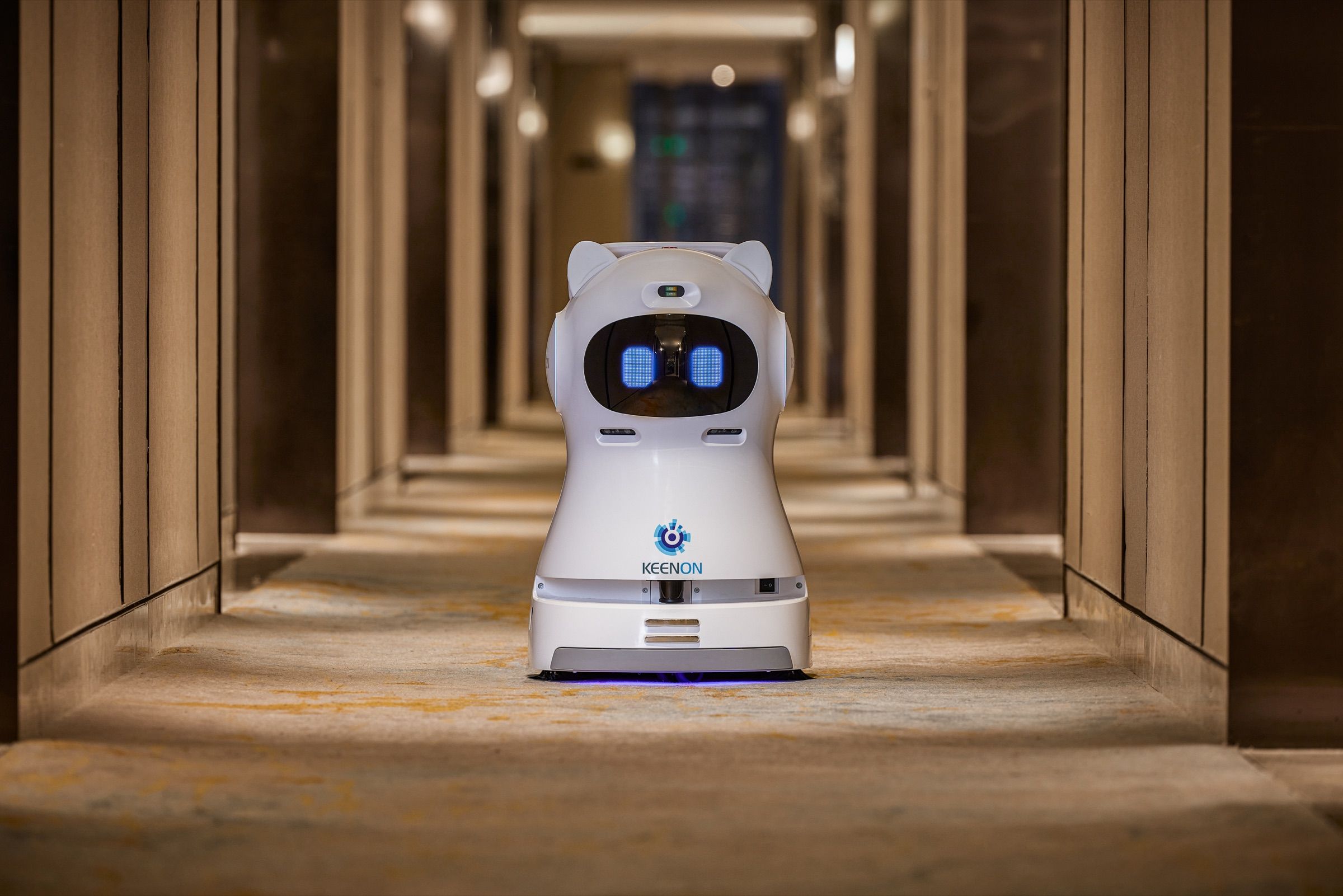
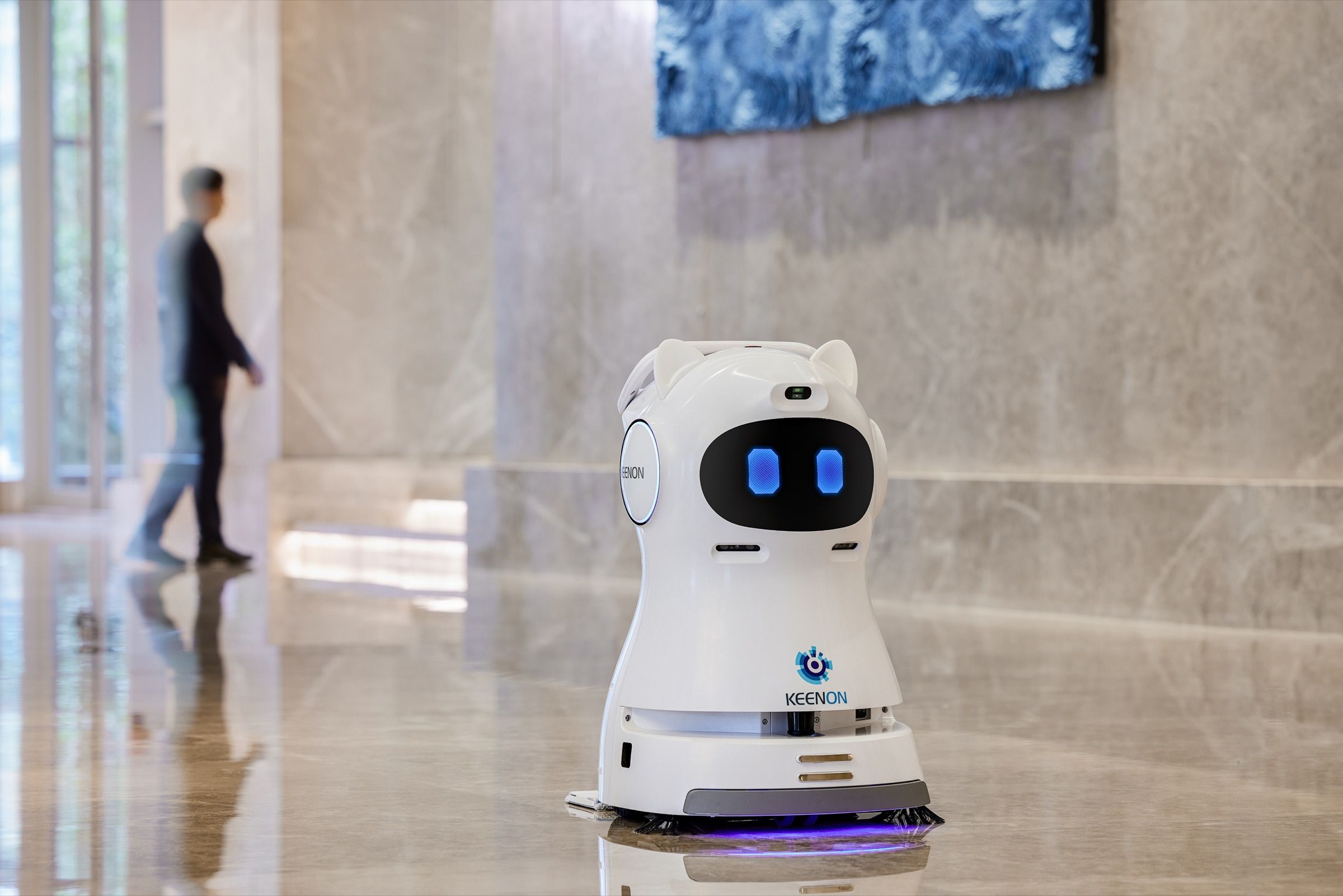
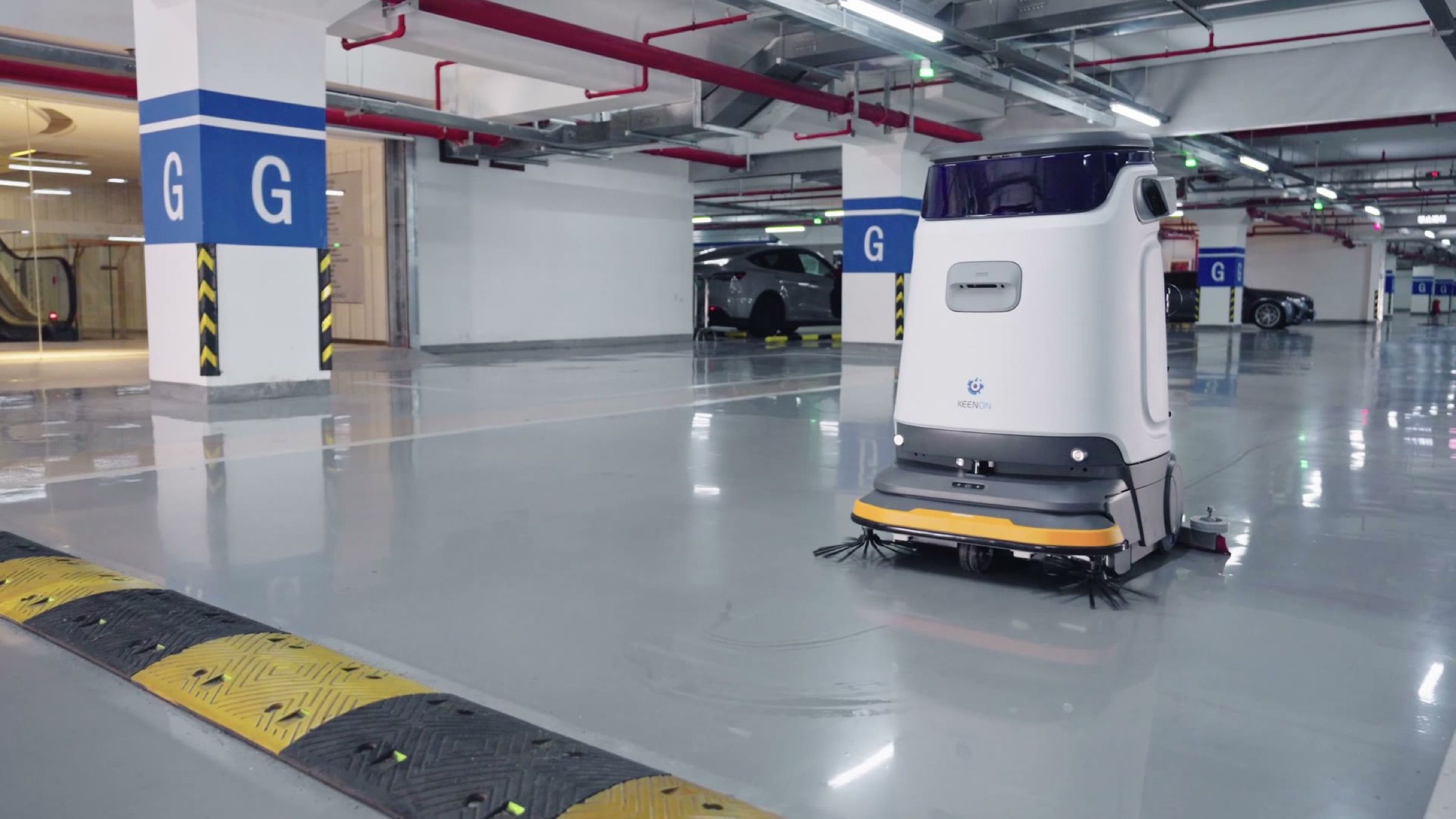

Autonomous cleaning robots suit large, open floors that need the same treatment every day. Airport concourses, shopping centre malls and food courts, hospital and aged care corridors, hotel back-of-house areas, warehouse aisles and factory floors are typical examples. These are areas where a person would otherwise spend long stretches walking a ride-on or walk-behind machine up and down.
The robot follows a mapped route, adjusts around people and obstacles, and records what it covered. Your cleaning team stays responsible for the work that needs a person: amenities, high-touch surfaces, spills, waste and anything that needs judgement.
Robots are less effective in heavily cluttered spaces, areas with lots of loose cables or small items on the floor, or zones where the layout changes every day. We point these out during the assessment.
Different floors need different machines. Hard floors with ground-in dirt usually need wet scrubbing. Dusty warehouse or car park floors may suit sweeping. Carpeted corridors need vacuuming, and polished floors in retail and hospitality often only need dust mopping between deeper cleans. Some sites need more than one type of robot.
Docking stations that refill clean water and drain dirty water automatically reduce the manual handling of tanks, and hot-swappable batteries on some platforms extend run time. Whether those options are worth it depends on your floor area and shift pattern.
We start with a consultation and site assessment, looking at floor surfaces, soiling, traffic patterns, water and power access, and where docks can sit. Your proposal sets out the recommended robots and cleaning plan. After approval we map the site, set up zones and schedules, integrate with lifts where the platform supports it, and train your staff. After handover, Robotx looks after servicing, wear parts such as brushes and squeegees, software updates and warranty claims.
Have a question about your site? Talk to a specialist.
Commercial cleaning robots work on hard floors such as vinyl, tile, polished concrete, epoxy and sealed timber, and some models vacuum low-pile carpet. The right machine depends on your mix of surfaces and the level of soiling. We check floor types, thresholds and transitions during the site assessment and match the cleaning mode to each zone.
No. Cleaning robots take on the large, repetitive floor areas, but they do not clean bathrooms, wipe touch points, empty bins or respond to a spill in the moment. Most sites use robots to give their existing team more time for detail work and to keep floor coverage consistent across shifts.
Yes. Commercial cleaning robots detect people and obstacles, slow down and route around them, so they can run in airports, shopping centres and hospital corridors during opening hours. Many sites still schedule the heaviest scrubbing for quieter periods. We help you decide which zones and times suit each cleaning mode.
Pricing depends on the cleaning mode, the size of the area, the number of robots, docking station options and the support you choose. Robotx sells robots outright. After a consultation and site assessment we provide a written proposal based on your floor area, surfaces and cleaning schedule.
Daily tasks are similar to a conventional scrubber or vacuum: emptying and rinsing tanks where there is no auto-drain dock, clearing debris, and checking brushes, pads and squeegees. Parts such as brushes and filters wear over time. We train your team on routine care and provide servicing, parts and warranty support.
A Robotx consultation starts with your sites, tasks and constraints. We’ll tell you where robotics fits and where it doesn’t, and what a sensible first deployment would look like.