
Large sites, thin night shifts
Logistics parks and data centres run few officers overnight, so parts of the site go unchecked for hours.
Robotx supplies and deploys non-weaponised patrol and inspection robots for large sites across Australia and New Zealand, adding routine after-hours patrols while your control room makes the decisions.
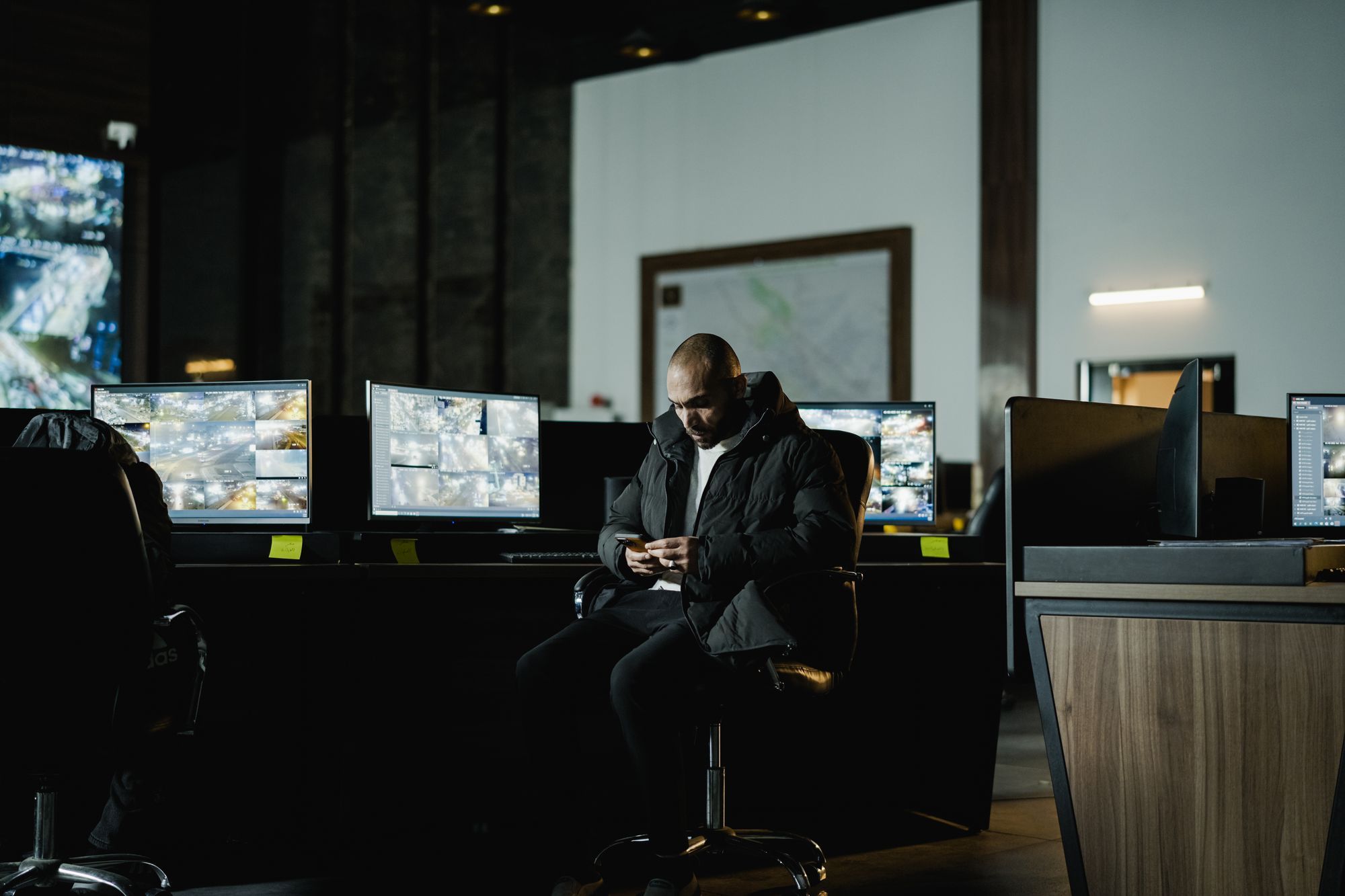
Logistics parks and data centres run few officers overnight, so parts of the site go unchecked for hours.
Walking the same route all night dulls attention, and that is when a propped door gets missed.
Clients and insurers want time-stamped evidence of site condition, which guard tour readers do not capture.
Seeing an alarm scene before sending a lone officer into a dark yard helps the control room respond.
Legged or wheeled robots patrol on varied schedules and flag unexpected people or vehicles to the control room.
Inspection & PatrolRobots photograph fence lines, gates and car parks from the same positions each round, so changes stand out.
Inspection & PatrolRobots check doors, lights, fire exits and plant rooms, and facilities teams can share the data and cost.
Inspection & PatrolThe control room can send a robot to check an alarm before dispatching an officer or calling police.
Inspection & PatrolA reception robot handles visitor sign-in and host alerts, so the gatehouse officer can watch the site.
Reception & Wayfinding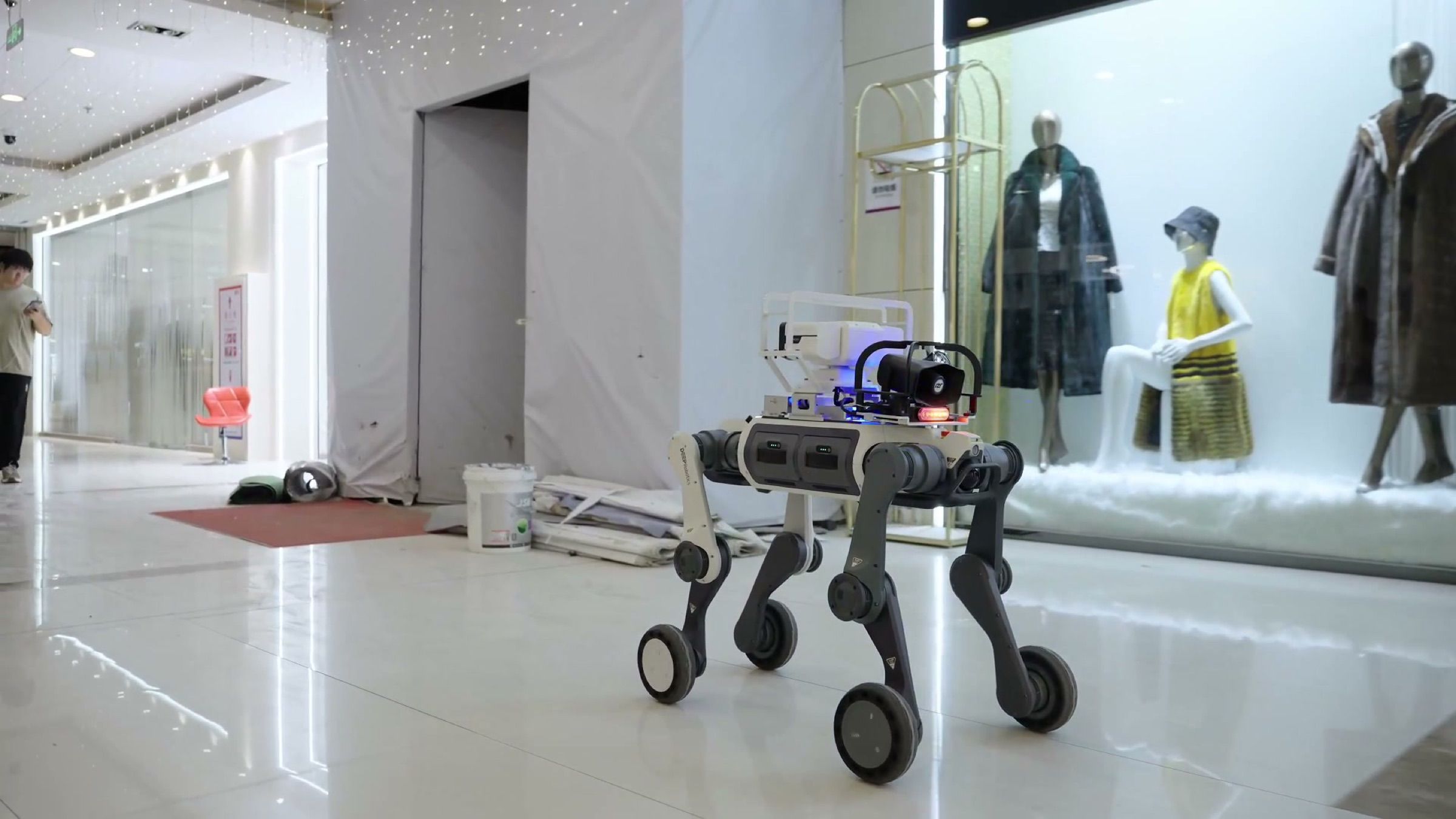
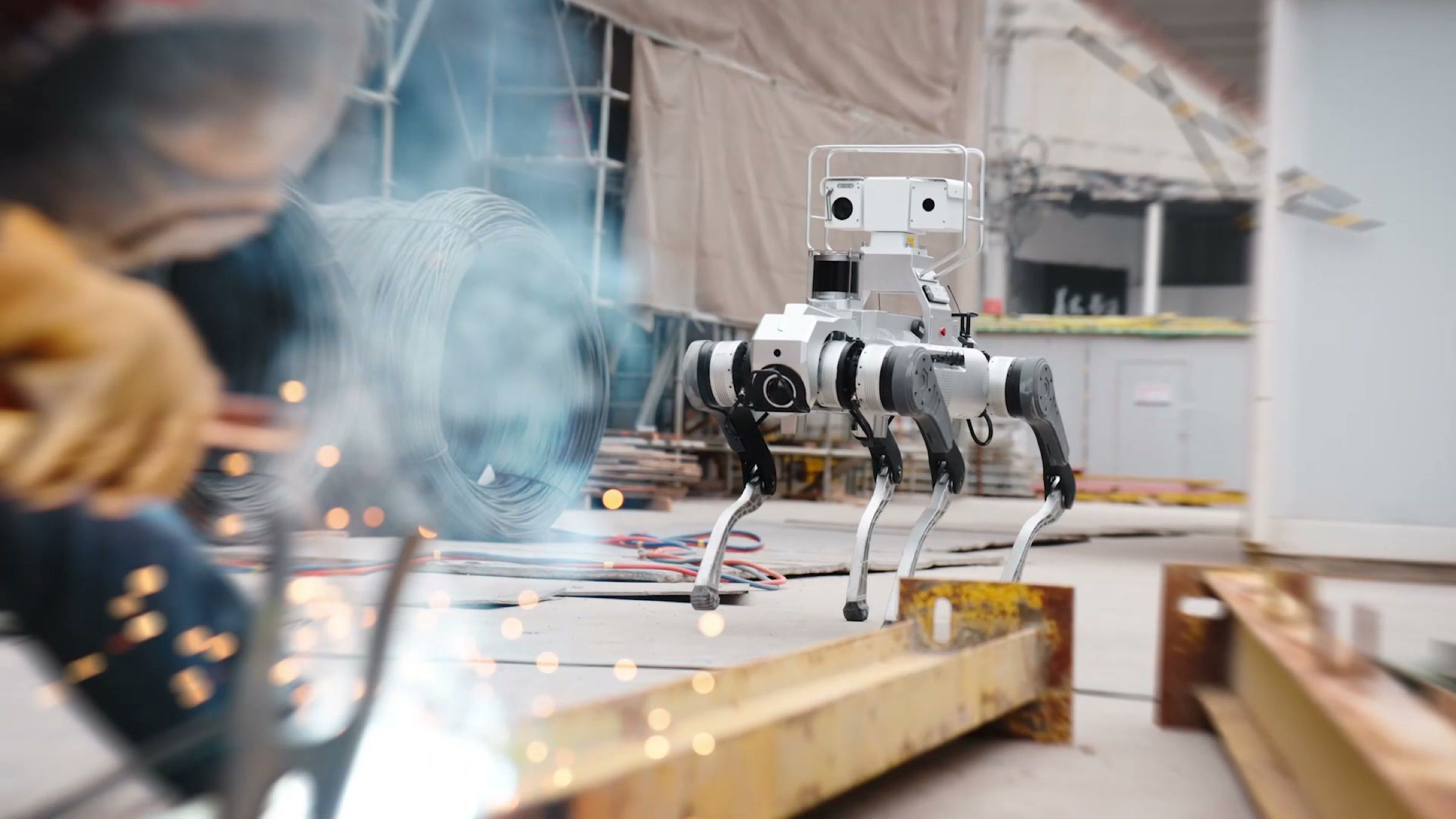
A patrol robot is a mobile set of cameras and sensors that follows a route reliably, night after night. It walks the fence line at 2am as carefully as at 10pm, records what it sees from the same positions each time, and sends alerts to the control room when something looks out of place: a person in a closed area, a vehicle in the wrong yard, a gate standing open.
The robot makes no decisions. It cannot tell whether a person is a contractor who stayed late or an intruder, and it does not approach, challenge or restrain anyone. Robotx supplies non-weaponised robots only. The robot’s job is to extend what your officers and control room can see, so that people spend their time on response and judgement rather than on repeated laps.
That makes robots best suited to large, repetitive patrol areas: distribution centres, industrial estates, utility compounds, campuses and car parks. Small sites with a single entry point often get more from better cameras.
A patrol robot is, in privacy terms, a moving camera. In Australia, organisations covered by the Privacy Act 1988 need to handle footage in line with the Australian Privacy Principles, and state and territory surveillance and workplace surveillance laws add their own requirements. In New Zealand, the Privacy Act 2020 and its information privacy principles apply.
In practice that means a clear purpose for collection, signage, sensible retention periods, controlled access to footage, and consultation with staff where workplace surveillance rules require it. We raise these points during scoping so they are resolved before deployment, and we recommend you take your own legal advice.
Each engagement starts with a consultation and a site assessment, ideally including a walk of the routes after dark. A written proposal follows, setting out the platform, routes and control room arrangements. Deployment covers mapping, patrol route and checkpoint configuration, alert set-up with your control room, and training for officers and supervisors, followed by ongoing technical support, servicing, parts and warranty administration.
Have a question about your site? Talk to a specialist.
No. Patrol robots supplement security officers, who keep the judgement, the licence and the physical response. A robot can cover routine patrol loops, capture consistent footage and raise alerts, which lets officers spend more time on response and on the parts of the site that need a person. Deciding what an alert means and what to do remains with trained, licensed staff.
No. Robotx supplies non-weaponised robots only and does not supply weaponised or restricted defence equipment. Patrol robots observe, record and alert. They do not physically intervene, detain or restrain anyone. Any response to an incident is handled by your security officers or police under your site procedures, with the robot providing information to support that response.
Broadly the same obligations that apply to CCTV and body-worn cameras. In Australia that means the Privacy Act 1988 and the Australian Privacy Principles where they apply to your organisation, plus state and territory surveillance and workplace surveillance laws. In New Zealand the Privacy Act 2020 applies. Practical steps include signage, a clear purpose, retention limits and controlled access. Seek your own legal advice for your site.
Many patrol platforms are built for outdoor use and low light, but performance depends on your ground, weather and lighting. Legged robots handle kerbs, stairs and rough ground better than wheeled ones, while wheeled robots can cover long, sealed routes efficiently. We assess routes in the conditions the robot will actually work in and confirm what the platform can manage before recommending it.
Either, depending on how security is contracted. Some site owners buy robots and make them part of the brief to their security provider; some security companies buy robots to strengthen their service offer. Robots are purchased outright. After a consultation and site assessment we provide a written proposal covering equipment, mapping, configuration, training and ongoing support, set out for whichever party is buying.
A Robotx consultation starts with your sites, tasks and constraints. We’ll tell you where robotics fits and where it doesn’t, and what a sensible first deployment would look like.