
Skilled people doing walking work
Operators lose time pushing trolleys and chasing pallets instead of running the line.
Robotx supplies and deploys mobile, floor-care and early-stage humanoid robots for manufacturers in Australia and New Zealand, taking repetitive walking work off skilled people around production.
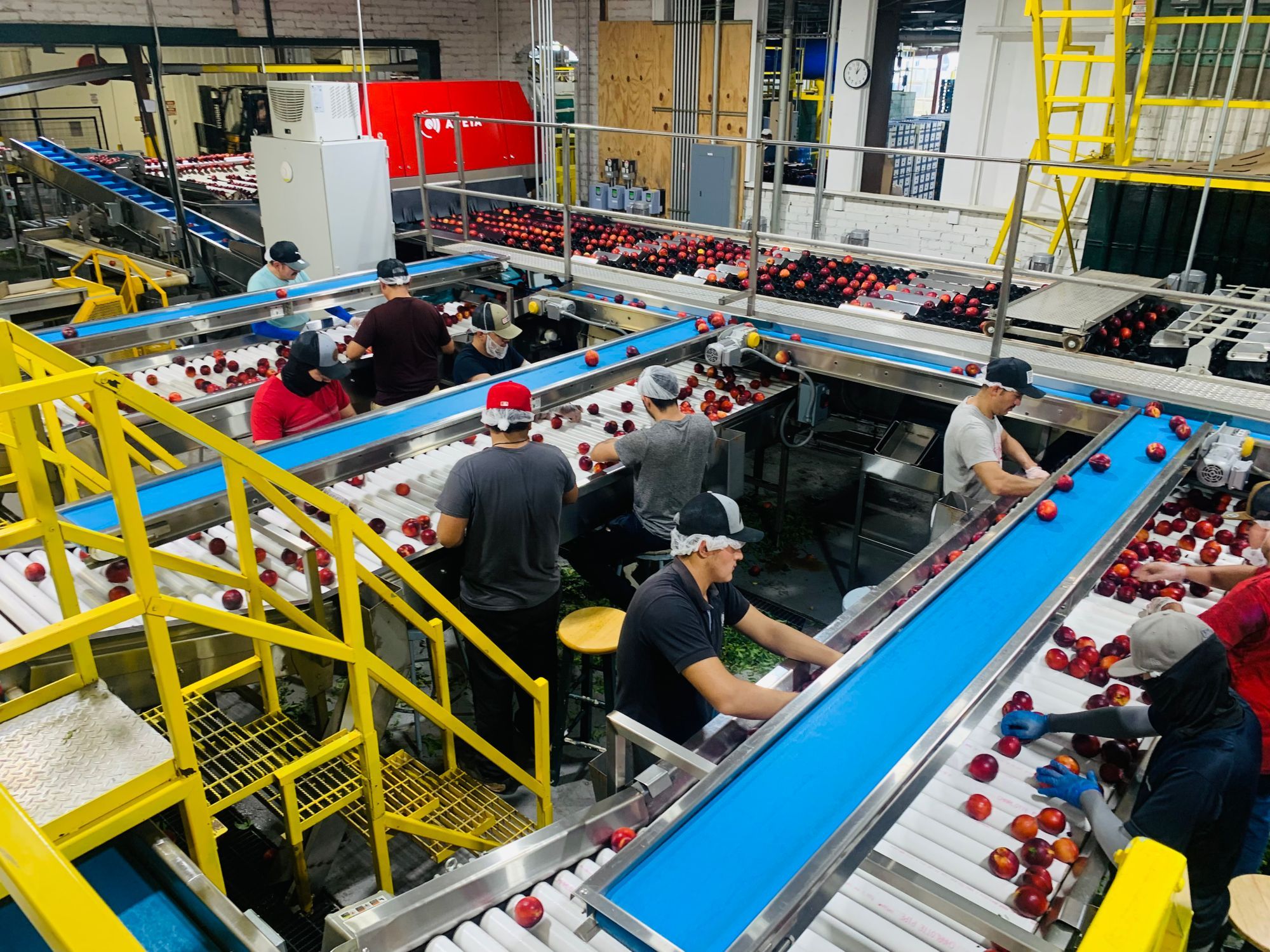
Operators lose time pushing trolleys and chasing pallets instead of running the line.
Moving small loads off forklifts supports your WHS traffic plan where people and forklifts share aisles.
More variants and changing layouts mean sites need material flows they can re-route in software.
Food, pharmaceutical and export customers expect documented floor cleaning, which slips when the crew is short.
Robots restock line-side racks from stores when a bin is called, so operators stay at the line.
Autonomous Material TransportRobots move part-finished product between cells, ovens and inspection, logging each move against the job.
Autonomous Material TransportRobots carry cartons and totes from end of line to dispatch, cutting forklift trips through production aisles.
Autonomous Material TransportAutonomous scrubbers clean aisles and docks between shifts, with cleaning records ready when an auditor asks.
Autonomous CleaningHumanoid platforms are early-stage, best piloted on one well-defined task such as tote handling or machine tending.
Humanoid Robotics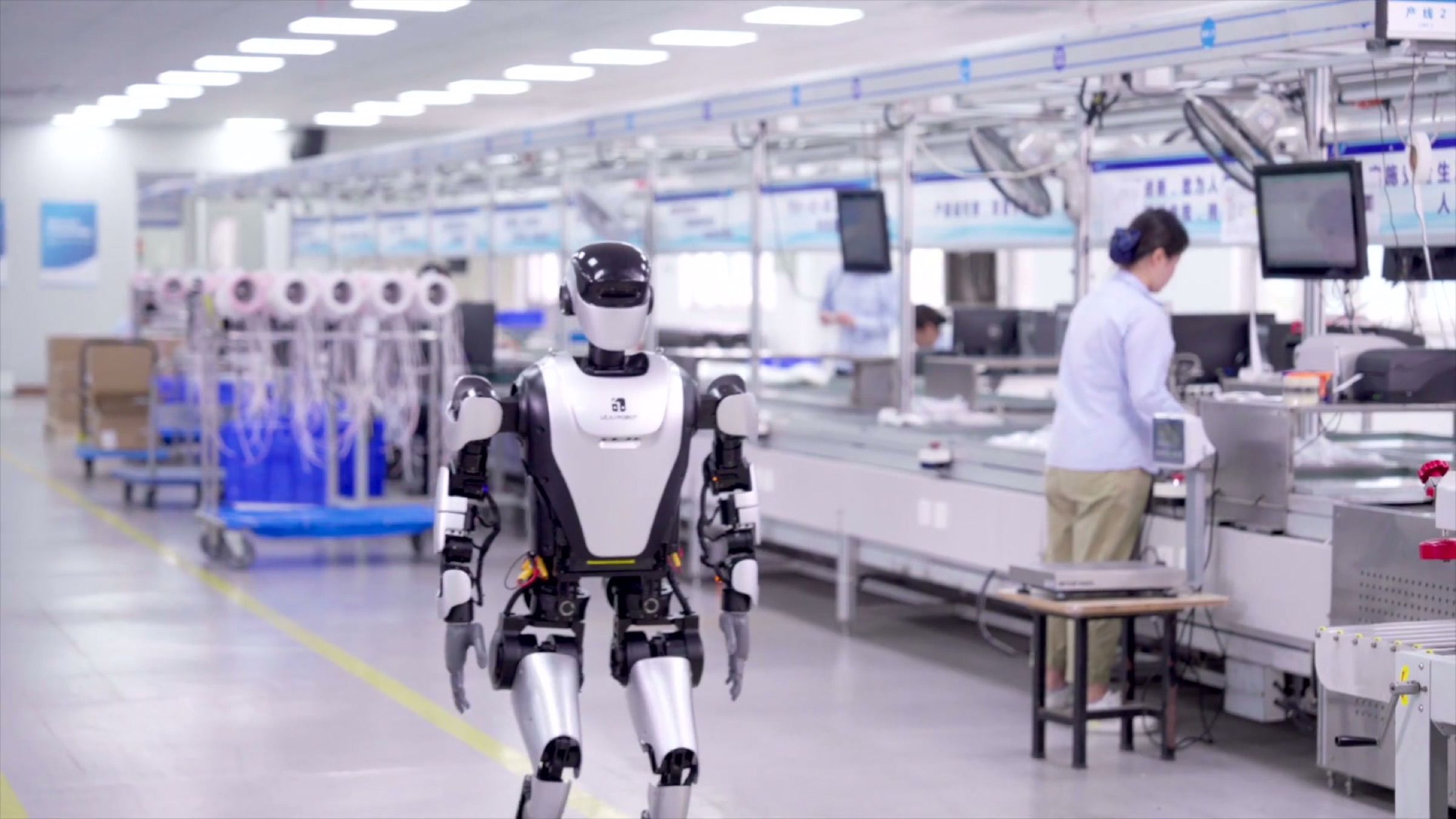
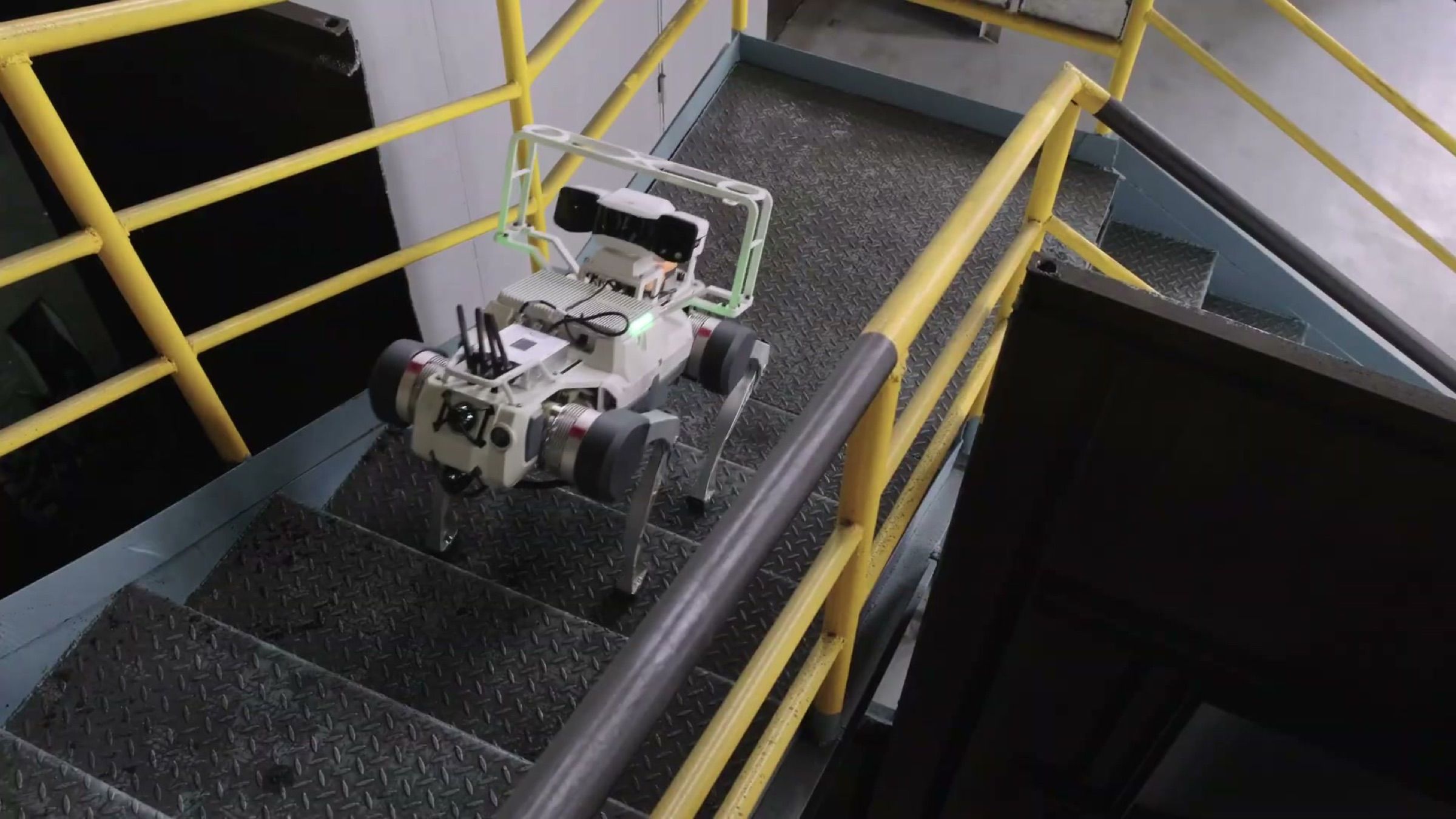
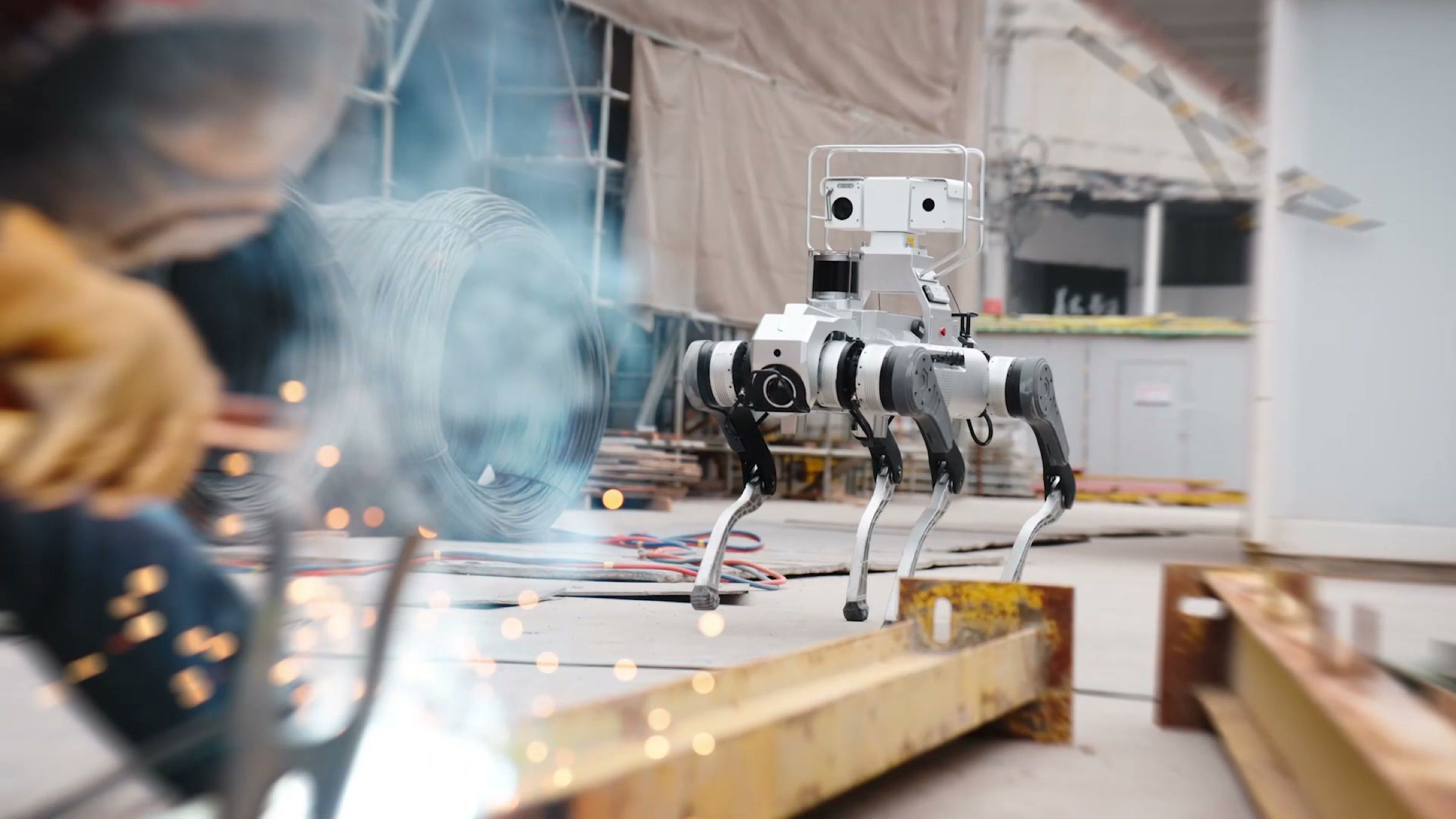
We start with the material flow. Over a normal shift, components come out of stores, part-finished product moves between cells, and finished goods travel to wrapping and dispatch. Much of that movement is done by skilled people pushing trolleys or by forklifts carrying loads far smaller than they were designed for.
When we assess a manufacturing site, we map those movements: what is carried, how often, from where to where, and who currently does it. Usually a few repetitive routes stand out, and those are the candidates for autonomous mobile robots. Heavy pallet handling in racking, awkward loads and one-off moves generally stay with forklifts and people.
Floor care follows a similar logic. Autonomous scrubbers and sweepers suit long, open aisles and dock areas that need cleaning every shift, freeing cleaners for machine surrounds, drains and the detail work that audits look at closely.
Humanoid robots attract attention, and the technology is moving quickly, but it is still early. Today they suit a narrow set of simple, repetitive handling tasks at a modest pace, in a controlled area, with engineers close by.
We supply humanoid and wheeled embodied-AI platforms from manufacturers we work with, and we are direct about their limits. We recommend a scoped pilot on one task, with measures agreed up front for cycle time, reliability, interventions per shift and safety. That gives your engineering and operations teams real evidence before any wider decision.
Every engagement starts with a consultation and a site assessment during normal production, so we see real traffic and real loads. A written proposal follows. Deployment covers site mapping, often best done during a shutdown or quiet shift, route and zone configuration, integration with doors or systems where agreed, and training for operators, supervisors and maintenance staff.
Once handed over, the robots are run by your operators and supervisors. Robotx remains the contact for technical support, servicing, parts and warranty claims.
Have a question about your site? Talk to a specialist.
In manufacturing, mobile robots typically move totes, bins, carts, roll cages and small pallets between stores, production lines and dispatch. The right platform depends on load weight, footprint and how loads are picked up, whether by hand, with a top module or by towing a cart. Full-size pallet moves through tight racking usually remain forklift work. We confirm what suits your loads during the site assessment.
Usually not by much. Most current mobile robots navigate by mapping the existing building rather than following floor tape or magnetic strips. Changes tend to be small: marked pick-up and drop-off points, aisles kept clear of stored stock, and in some cases door or shutter integration. We identify any changes needed during the site assessment, before you commit.
They share space under rules the site sets. Mobile robots slow and stop for obstacles, and routes, speed zones and no-go areas are configured on the site map. Robots should be included in your WHS traffic management plan, with crossing points and forklift-only zones defined. We work through this with your safety and operations leads during scoping and deployment.
They are ready to pilot on a narrow set of tasks, but not to run a line. Current humanoid platforms can handle simple, repetitive manipulation such as moving totes or loading a fixture, generally more slowly than a person. We recommend starting with one well-defined task, agreed success criteria and your engineering team involved, then deciding on wider use from what the pilot shows.
Pricing depends on the number of robots, the load types, route lengths and the level of integration with doors, lifts or production systems. Robots are purchased outright, and the written proposal we prepare after walking your production floor sets out equipment, deployment, training and ongoing support, so you can test it against your own labour, safety and throughput figures.
A Robotx consultation starts with your sites, tasks and constraints. We’ll tell you where robotics fits and where it doesn’t, and what a sensible first deployment would look like.