

Routine plant and substation rounds
X30 and Lite quadrupeds walk set routes, recording gauges and equipment condition on every round.
Partner
Robotx supplies DEEP Robotics legged robots for inspection at substations, plant rooms and tunnels in Australia and New Zealand. We assess the site, then supply, deploy and support the platform.
Maker of quadruped and legged robots for industrial inspection.
X30 and Lite quadrupeds walk set routes, recording gauges and equipment condition on every round.
Legs handle stairs, grating, kerbs and uneven ground in substations, tunnels and cable trenches.
The robot makes the first pass through hot or confined areas, so workers enter less often.
The LYNX range pairs legs with wheels for faster travel across mines and utility corridors.
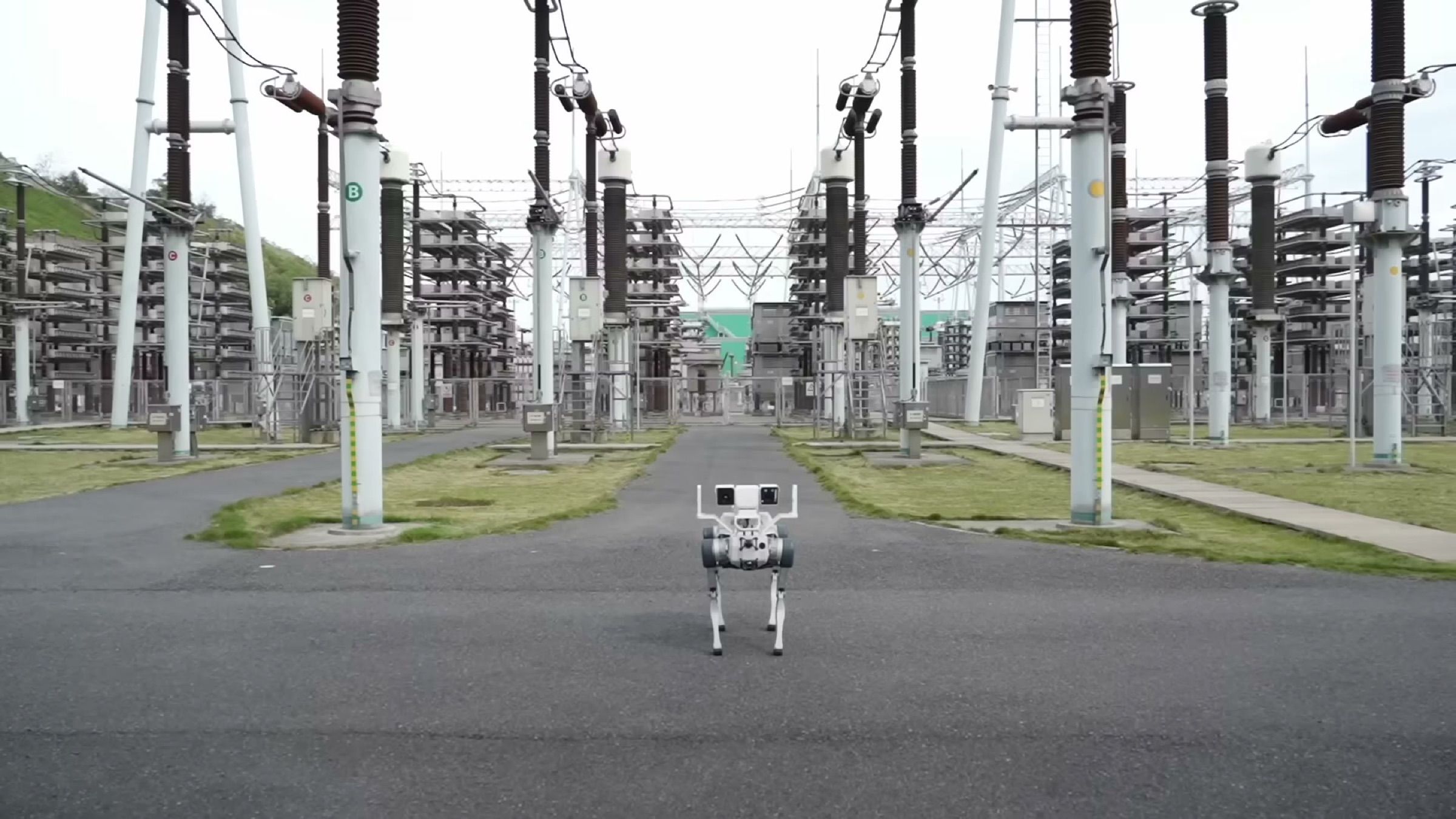
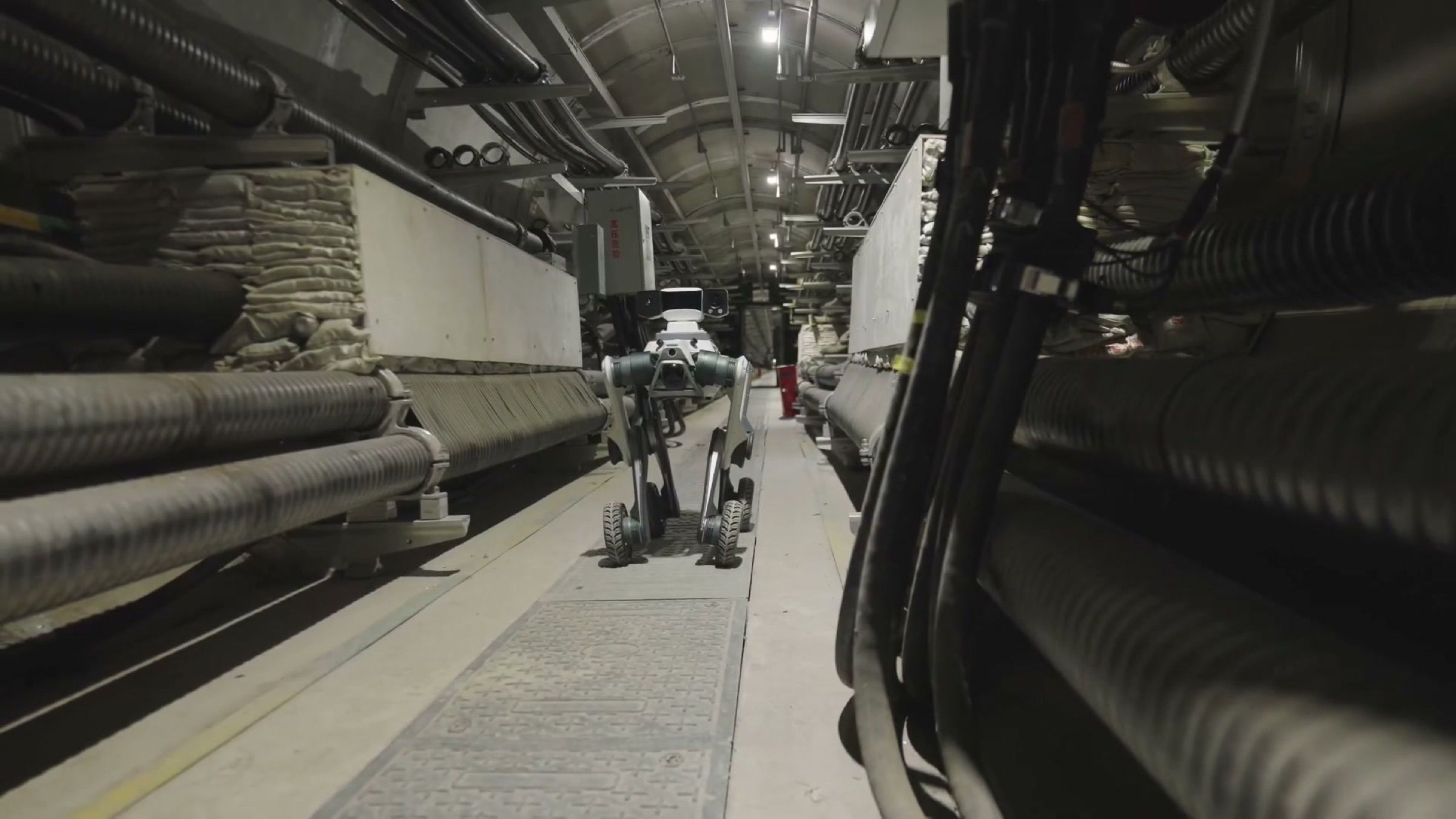
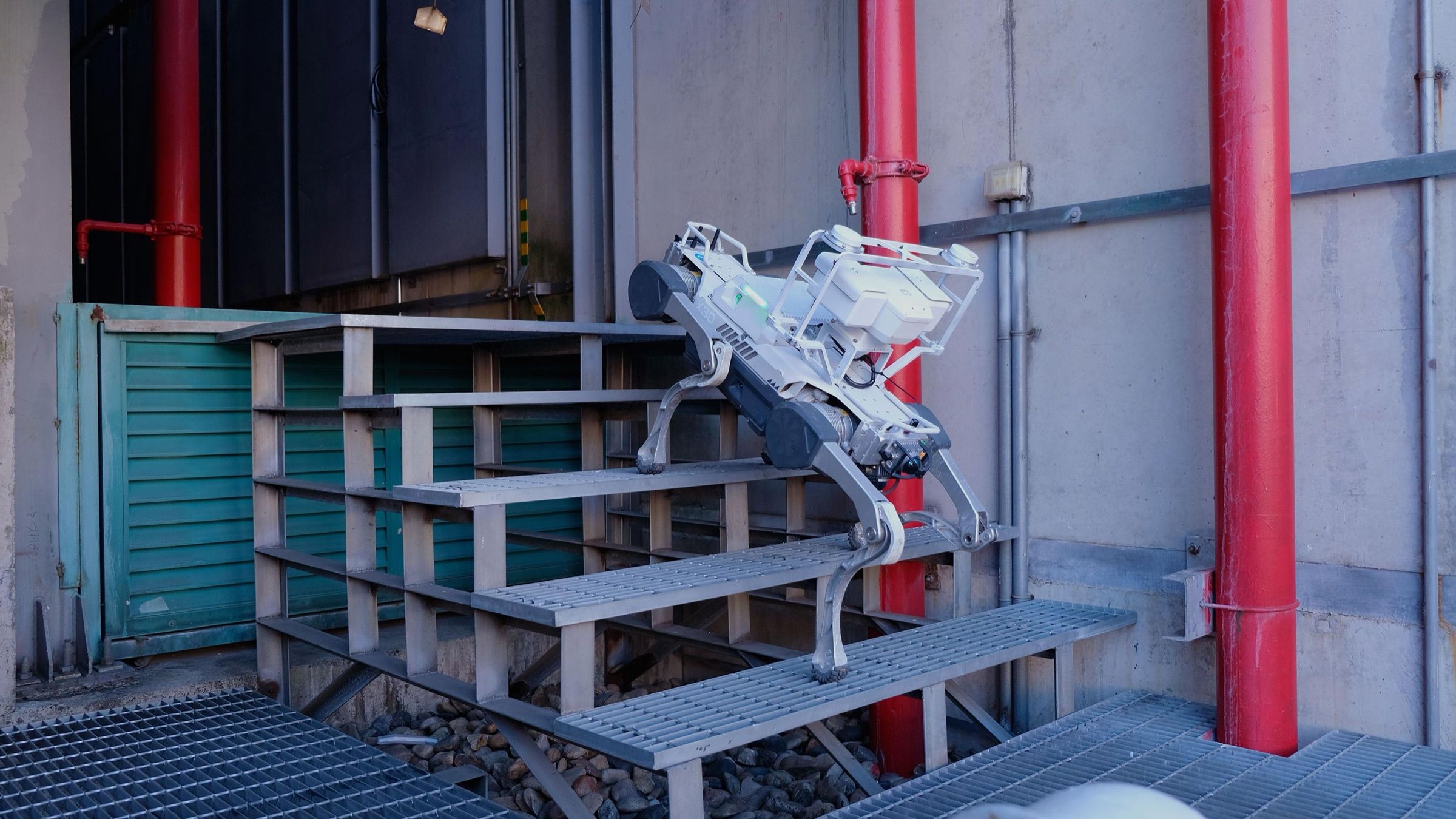
DEEP Robotics is a robotics company founded in 2017. It specialises in legged robots for industrial use, and its range is organised into a few families:
The company also develops humanoid robots and robot joint components. Its published application areas include power and utilities, tunnels, mining and metals, construction, emergency response and research.
The best fit is a routine inspection round that people currently walk on a schedule: a substation or switchyard, a pump station, a tunnel or cable trench, or plant rooms on a large industrial site. A robot can walk the same route the same way each time, capturing images and readings that are easy to compare over weeks and months.
Quadrupeds are also useful where access is awkward or exposure should be limited, such as hot areas, confined spaces or places with a known hazard. There the robot can take the first look, and people go in for the work that follows.
Robotx does not supply weaponised or restricted defence equipment. Our focus is inspection and patrol for industrial, utility and security operations.
Every engagement starts with a consultation and site assessment. We walk the proposed routes, check terrain, stairs, doors, network coverage and charging locations, and review your site safety requirements. We then set out a recommendation in a written proposal.
If you proceed, Robotx supplies the platform, configures routes and payloads, integrates with your existing systems where the platform supports it, and trains your team to run inspections. After handover, Robotx remains the contact for support, servicing, parts and warranty claims.
Have a question about your site? Talk to a specialist.
Robotx supplies DEEP Robotics platforms to enterprise and industrial customers in Australia and New Zealand. We start by walking the inspection routes you want to automate, then recommend a platform and payloads to suit the terrain and the data you need. Robotx handles supply, set-up, operator training and ongoing technical support.
A quadruped can walk a set route and collect visual, thermal or other sensor data, depending on the payload fitted. Typical uses include substation and switchyard rounds, plant room and tunnel checks, and first-look inspections of areas people would rather not enter often. Your team reviews the data and decides what needs attention.
They are built for industrial and outdoor use, but heat, dust, rain and terrain vary widely between sites. We check the manufacturer's environmental ratings for the specific platform against your conditions, such as summer heat at a regional substation or dust at a processing plant, before recommending it.
Yes, for the DEEP Robotics platforms Robotx supplies. Robotx diagnoses faults, arranges servicing and parts, and manages warranty claims with DEEP Robotics. For remote or regional sites, on-site visits and parts supply are discussed during scoping, because travel time matters when the robot carries out a scheduled inspection round.
The main cost drivers are the platform, the sensor payloads, integration with your existing systems and the support terms. Payload choice can change the total considerably, so we price once we know what you need to measure. The written proposal itemises equipment, payloads, deployment, training and support.
A Robotx consultation starts with your sites, tasks and constraints. We’ll tell you where robotics fits and where it doesn’t, and what a sensible first deployment would look like.